
Have you ever thought about the magic that unfolds when children get the chance to learn amidst the rustling leaves and chirping birds? We’re talking about Forest School, an educational approach that’s as refreshing as a breath of woodland air.
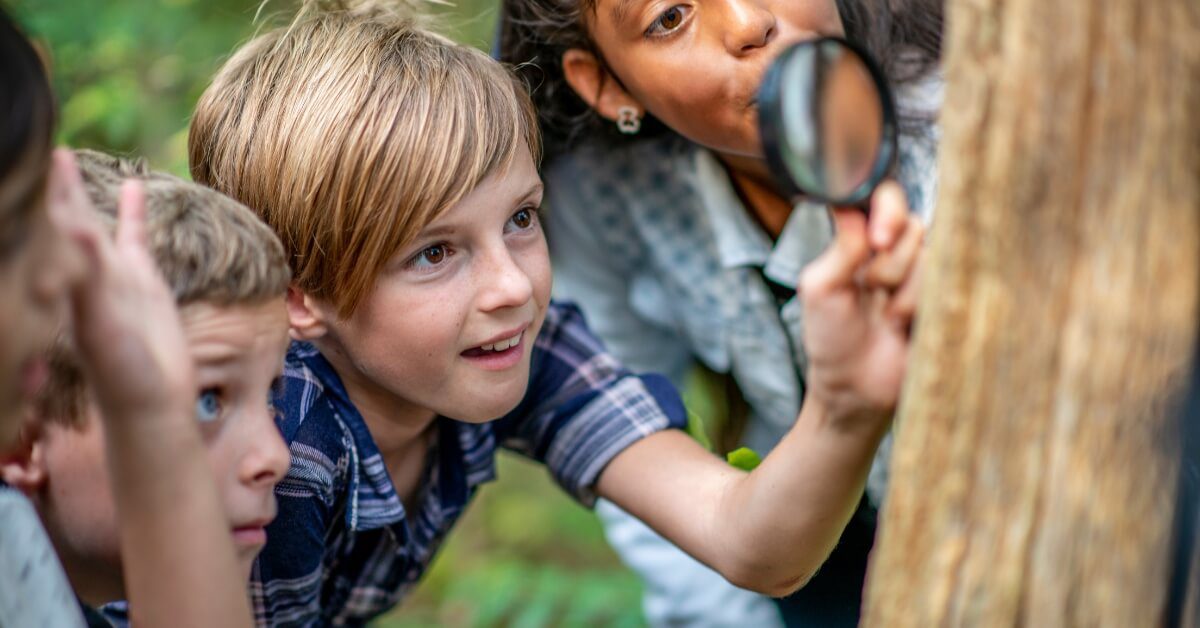
Forest School is an inspirational process that offers children, young people, and adults regular opportunities to achieve, and develop confidence, and self-esteem through hands-on learning experiences in a woodland or natural environment. Picture this: instead of sitting in a conventional classroom, learners are exploring, creating, and discovering in the heart of nature.

Outdoor learning isn’t just a trendy approach; it’s a powerful and transformative experience. Here are a few reasons why we believe in its importance:
Research from Natural England has consistently shown the myriad benefits of outdoor learning. And, it’s not just about academic performance; it’s about shaping well-rounded, confident, and environmentally-conscious individuals.
In the coming sections, we’ll walk you through the origins, benefits, and practicalities of Forest School. We’ll share stories from those who’ve walked the path and offer insights for those keen to embark on this enriching journey. So, pull up a log (or a comfy chair) and join us on this adventure into the world of Forest School education.

Ever wondered how the concept of Forest School sprouted and grew into the magnificent tree of knowledge we see today? We delved into its roots, and what we discovered is both fascinating and inspiring.
The seeds of the Forest School concept were sown in Scandinavia. In the 1950s, during visits to Denmark, educators from the UK observed the outdoor pre-school education system in action. Danish “skovbørnehaver” (or forest kindergartens) were places where children spent most of their day outdoors, exploring, playing, and learning from their surroundings.
The principles behind these kindergartens were simple yet profound: nature is the best classroom, and child-led learning is the most effective teacher.
These observations sparked interest and excitement. And, as they say, when an idea’s time has come, there’s no stopping it.
Upon returning to the UK, the educators were inspired to incorporate the philosophies they’d observed into their teaching practices. The 1990s saw the first official Forest School in the UK, a groundbreaking initiative backed by enthusiastic educators and supportive research.
Over the years, the approach has blossomed and branched out in several directions:
A study by Forest Research, the research agency of the Forestry Commission, has highlighted the sustained positive impacts of Forest School on young people’s academic, social, and emotional development.
From humble beginnings in Scandinavia to widespread recognition in the UK, Forest School’s journey is a testament to the timeless appeal and enduring benefits of learning in and from nature.
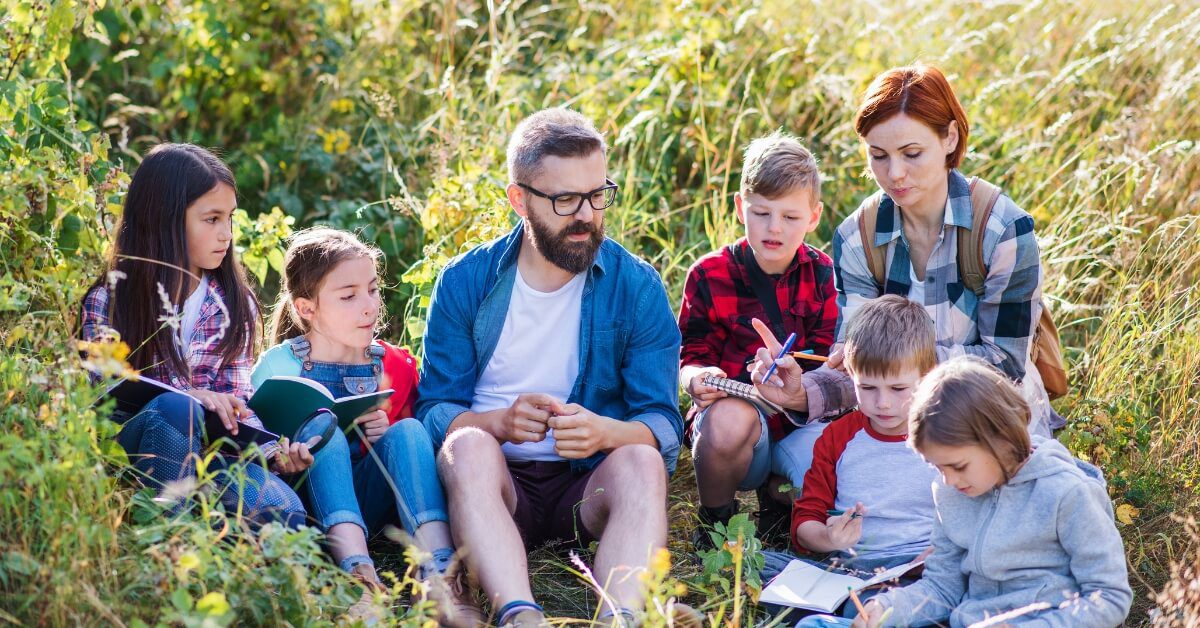
Imagine a classroom where the ceiling is the vast expanse of the sky, and the walls are adorned with trees and plants. This isn’t a fantasy; it’s the reality of Forest School. And, as dreamy as it sounds, the benefits of this approach are tangible, wide-ranging, and deeply impactful.
The most beautiful gift of Forest School might just be the deep bond it nurtures with nature. Learners don’t just study the environment; they become a part of it. This intimate connection fosters:
Reports by the Outdoor Learning Research underscores the significance of outdoor learning, linking it to improved physical health, better concentration, and enhanced creativity.
In essence, Forest School isn’t just an alternative approach to education. For many, it’s a holistic way of life, shaping learners who are curious, compassionate, and deeply connected to the world around them.
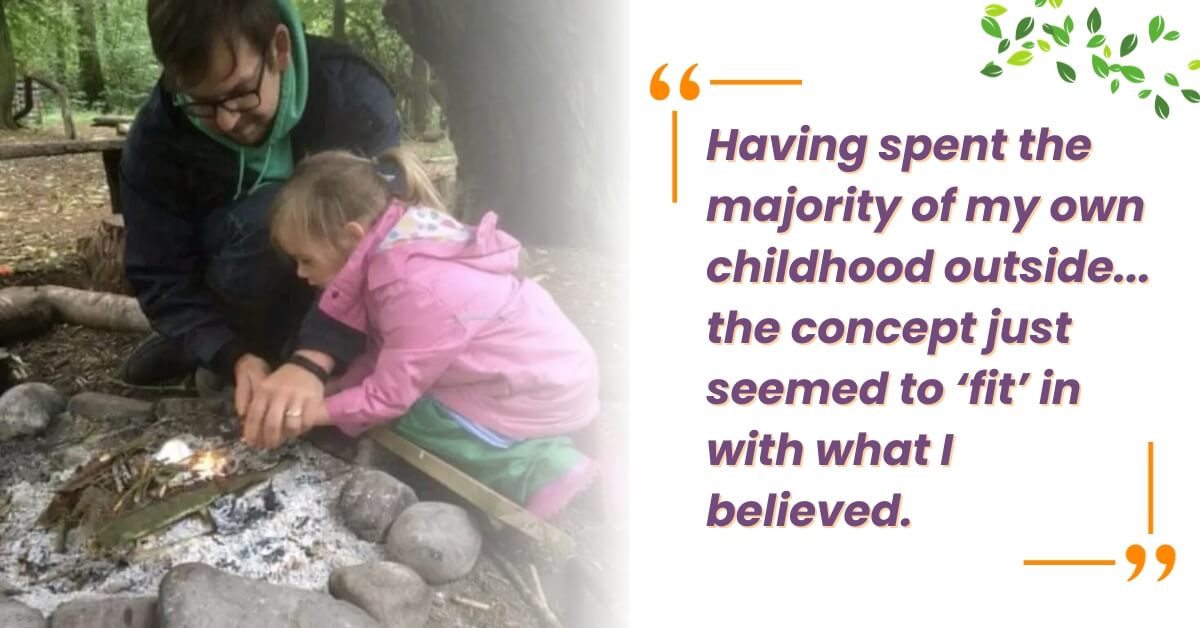
We recently had the opportunity to connect with Mark Shotton, a passionate advocate for forest school education, to delve deep into his personal experiences and gain insights into his journey from traditional education to forest schooling. Here’s what he had to share with us.

Upon his introduction to the forest school concept at Little Green Rascals, Mark felt an instant connection, as it resonated with the freedom and exploration of his own childhood memories. He fondly reminisced, “Having spent the majority of my own childhood outside… the concept just seemed to ‘fit’ in with what I believed.” This belief was further cemented when he trained with the North Yorkshire Forest School Association. His instructor, Hazel Canning, played a pivotal role in shaping his passion.
When asked about any standout moments during his transition, Mark expressed, “Forest school gave me the vehicle to start these ideals – never being scared to fail. I often tell my staff now that, there’s nothing wrong with trying something new, if it doesn’t work out, try something different or a simple tweak may produce even greater learning opportunities.” A particular memory that stands out is his appointment as a permanent forest school leader, which enabled him to combine traditional nursery approaches with forest school methodologies.

Forest schooling brought with it myriad memorable experiences. Mark’s ability to weave stories, inspired by a forest school conference in Wales, led to hours of imaginative play among the children. One such tale of a “lost ring” left an indelible mark, with children creating their own ring replicas and one child, even years after leaving nursery, continuing his quest for the elusive ring.
Another touching moment he recalls is the practice of ‘forest bathing’. “Finding a spot in the forest, lying on the floor and staring up to the canopy. Each time, we would roughly time how long the children (and staff) would lie there, silently staring up at the sky. Each time, it would be longer and longer to the stage we’d be there for half an hour. The genuine feeling of refreshment was incomparable and the children would actively ask to take part, but also the staff. Staff wanted to come to the Forest, just so they’d take part in that well-being-boosting moment. The genuine feeling of refreshment was incomparable,” he remarked, highlighting the invigorating effect on both children and staff.
However, it wasn’t without its challenges. The pressure to continually innovate was palpable. Striking a balance between his dual roles as a forest school leader and trainer sometimes took a toll on his well-being. Weather conditions also occasionally tested the team’s morale and learning objectives. Yet, the triumphs were plentiful. From introducing families to the magic of woodland to creating the forest school garden at Tynemouth Nursery amidst the COVID pandemic, Mark and his ‘forest school dream team’ have always found ways to persevere and inspire.

Mark’s philosophy of stepping back and observing the children was a consistent theme. He emphasised the importance of allowing children the freedom to explore, while simultaneously ensuring their safety. “Risk management is a cornerstone of forest school,” he said, stressing the significance of enabling children to calculate some risks within controlled environments.
Addressing safety concerns, Mark noted the rigorous risk assessments in place. Effective communication with parents, including open days and regular updates, was crucial in addressing concerns and showcasing the benefits of forest school.
When weather posed challenges, Mark and his team would convert them into learning opportunities. He fondly recalled an instance where impending rain led to a day of collaborative shelter-building. The elation among children, when they discovered their self-made shelters, kept the rain out was a joy to witness.

Mark sees a promising future for forest schools. He believes that their introduction in early years can establish strong foundations. Drawing an analogy, he mentioned, “Consider this, when a building is constructed, it is important to build strong foundations, which are the building blocks of a child. If a building is wrapped in ivy it can hold together structures tightly. However, remove those vines, and the structure is weakened.” He envisions forest school principles weaving into mainstream education, nurturing a generation conscious of and respectful toward our environment.
For educators contemplating the forest school approach, Mark’s advice is unequivocal: “Just go for it.” His parting words paint a vivid picture, urging individuals to immerse themselves in the serenity of nature, “Walk into a forest, find a spot, lie down, and just take it all in. There’s nothing quite like it.“
This rich tapestry of experiences, insights, and memories shared by Mark showcases the profound impact forest schools can have, not just on children, but on educators and communities as a whole.

Forest schools have been revolutionising early years’ education, turning traditional teaching paradigms on their head with a holistic approach centred on the natural world. Rooted in the belief that children benefit immensely from outdoor experiences, forest schools emphasise the development of emotional, social, and physical skills. But what exactly sets forest schools apart? Here, we dive deep into the key principles that form the backbone of this innovative educational approach.
One of the cornerstones of forest school is the emphasis on child-led learning. Rather than imposing a rigid curriculum, educators at forest schools give children the autonomy to explore, create, and learn at their own pace. This approach trusts children to engage with their surroundings, fostering innate curiosity.
Benefits:
Unlike occasional field trips in traditional settings, forest schools emphasise consistent, prolonged interactions with nature. Come rain or shine, children spend significant time outdoors, experiencing the changing seasons and diverse ecosystems.
Benefits:
While the very essence of forest schools is to allow children the freedom to explore, safety is paramount. Educators are trained to conduct thorough risk assessments, ensuring that while children encounter challenges, they’re always within a controlled environment.
Benefits:
The forest school approach is a transformative educational experience, weaving together freedom, responsibility, exploration, and learning. By placing children at the helm of their own learning journeys and embedding education in the richness of the natural world, forest schools aim to create well-rounded, environmentally-conscious individuals ready to face the challenges of tomorrow with confidence and curiosity.

Delving into the world of forest schooling requires a blend of traditional tools, natural materials, and a thirst for knowledge. This symbiosis of equipment and environment creates a hands-on, experiential journey that differs markedly from conventional educational settings. Here, we will explore the essential tools and resources that educators need to optimise the forest school experience.
While the essence of forest schooling is harnessing the natural environment, certain tools can enhance learning experiences and safety.
A forest school’s true treasure lies beneath its canopy. From the bracken underfoot to the leaves overhead, the natural materials available play a pivotal role in learning.
For educators keen to delve deeper into the forest school ethos, a wealth of reading materials and resources is available.
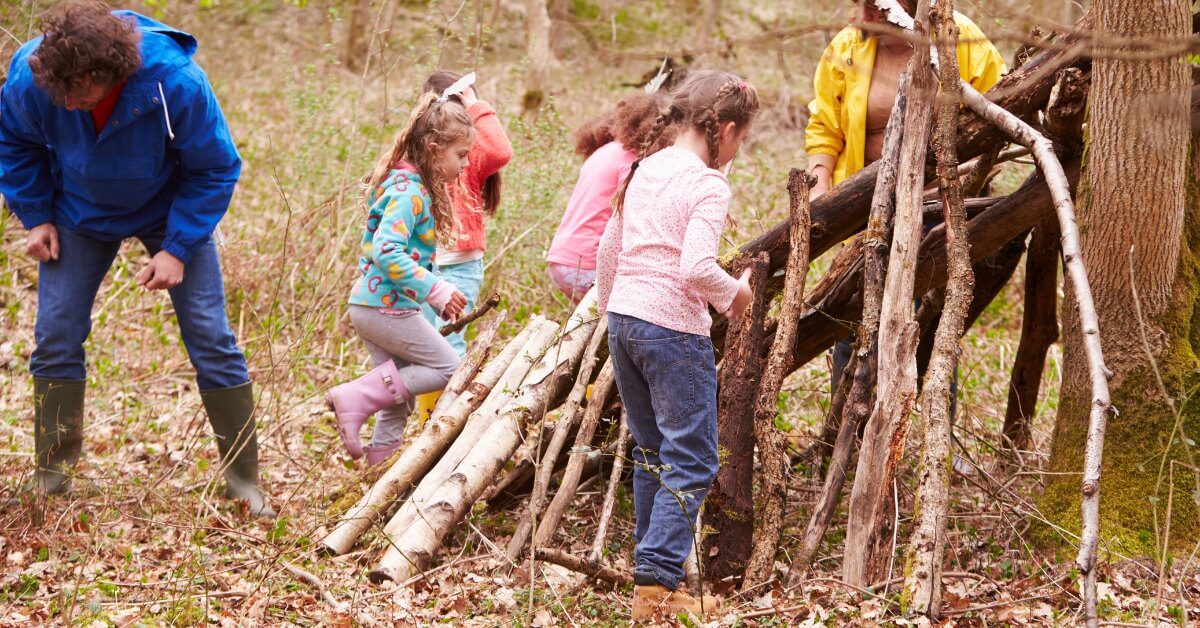
Embracing the forest school approach comes with its own set of unique challenges. From ensuring the safety of young explorers to navigating the unpredictability of Mother Nature, educators must be equipped to face and overcome these hurdles. Here, we’ll delve into some common challenges of forest schooling and offer strategies to effectively navigate them.
The outdoor environment, while rich in learning opportunities, can be fraught with potential hazards. Addressing safety concerns is paramount.
The whims of weather can both challenge and enrich the forest school experience.
Integrating forest school methods doesn’t mean overlooking standard educational benchmarks.
Though the path of forest schooling can be strewn with challenges, the rewards are profound. With proactive measures, creativity, and an unwavering commitment to child-centred learning, educators can transform these challenges into invaluable learning experiences.
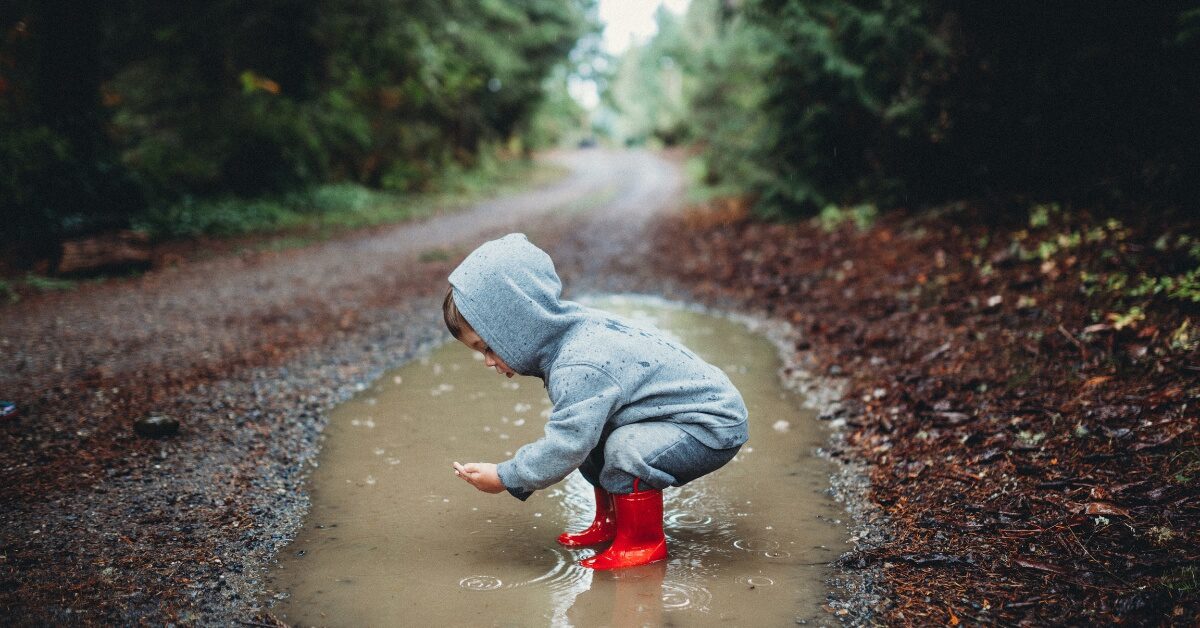
While the forest school approach is typically associated with woodland environments, its core principles can be incorporated into more traditional educational settings. Whether it’s an urban school with limited green space or a classroom setting striving for a touch of nature-centric learning, here’s how educators can seamlessly blend the ethos of the forest school into their curriculum.
The absence of a sprawling forest doesn’t need to deter educators from bringing the wilderness into their teaching methodology.
The essence of forest school is in its activities, and with a bit of creativity, these can be adapted to various settings.
The forest school approach is more about ethos than a specific environment. It emphasises child-led exploration, a connection with nature, and experiential learning. By adapting activities and making use of available resources, traditional educational settings can imbibe the spirit of forest schooling, ensuring their students reap the manifold benefits of this holistic learning approach.

The global educational landscape is at an exciting juncture. With growing concerns about the disconnect between children and nature, the forest school approach emerges as a harmonious blend of learning and environmental stewardship. Not only does it promote cognitive development and social skills, but it also instills a profound respect for the natural world.
Research consistently showcases the myriad benefits of outdoor learning – from increased concentration and improved mental well-being to enhanced physical health. As Mark eloquently pointed out, strong foundations in the early years can shape a generation of environmentally conscious individuals. This vision, where children grow into adults who not only understand but respect and protect their natural environment, is a promising signpost for the future.
It’s essential to remember that forest school isn’t merely a pedagogical trend; it’s an ethos. As educators worldwide grapple with the challenges of an ever-evolving classroom, integrating aspects of the forest school methodology can be transformative.
To those educators teetering on the edge of exploration, Mark’s words ring true: “just go for it.” While the idea of adopting an entirely new approach might seem daunting, one doesn’t need to dive in headfirst. Simple activities, such as sensory walks, can be a starting point. With every step, educators will find that the essence of forest school – the celebration of nature, curiosity, and child-led discovery – resonates with students in profound ways.
The forest school approach serves as a gentle reminder of the boundless classroom that nature offers. It encourages a love for learning, fosters resilience, and nurtures an eco-conscious mindset. As we forge ahead into the future of education, the intertwining of traditional pedagogy with the tenets of outdoor learning offers hope, not just for a more comprehensive academic experience, but for a brighter, greener tomorrow.
Hungry for more insights from other male educators? Dive deeper into our resources with our handpicked related articles, offering you a wealth of knowledge and fresh perspectives. Whether you’re an educator, parent, or simply curious, there’s always something new to explore here!


