
Qualified teacher status (QTS) is what you need to teach in most primary and secondary schools in England.
It is a confirmation that you have the right training and meet the standards required to be a teacher.
QTS is a teaching standard that is respected across the world. Having QTS means you can move around the country and teach in any state school.
QTS is a legal requirement to teach in many English schools and is considered desirable for teachers in most schools in England. The Teaching Regulation Agency (TRA) is responsible for awarding QTS. It also awards QTS to qualified teachers outside England.
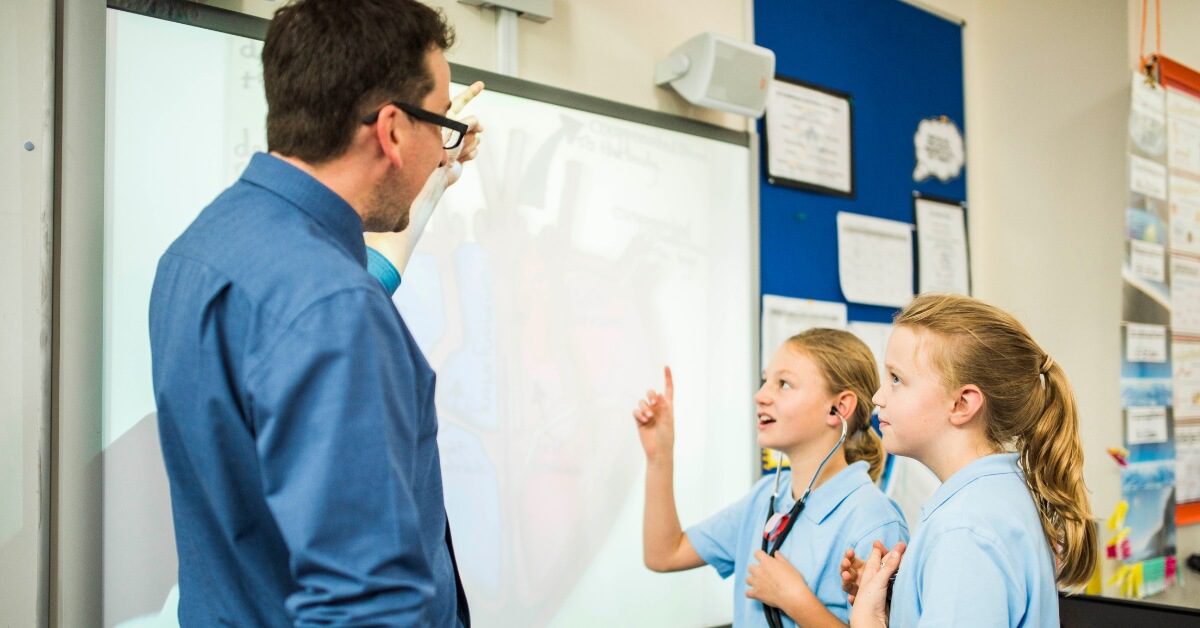
QTS is a legal requirement to teach in most schools in England, but not all.
It is a legal requirement for maintained schools to employ teachers who have QTS. Maintained schools are part of the state-funded school system in England. They include:
Non-maintained special schools are also legally required to employ teachers who have QTS.
Other types of schools, on the other hand, are not legally required to employ teachers who have QTS. Examples of these schools are:
Even where QTS is not a legal requirement, many schools use it to assess the quality of candidates for teaching jobs, as it is best practice.

All postgraduate teacher training courses in England lead to QTS. You can see the different types of courses available by searching for postgraduate teacher training.
Entry requirements for QTS courses are:
As well as leading to QTS, many courses also lead to a postgraduate certificate in education (PGCE) or postgraduate diploma in education (PGDE).
If you’re successful at the end of your training, you will be awarded QTS and your teacher record will be updated. Your QTS certificate will be available online from the teacher self-service website.

Can I get QTS through an assessment-only programme if I have the right teaching experience and background?
The answer is yes, you can if:

If you completed your Initial Teacher Training (ITT) in Wales, you’ll be awarded QTS by the Education Workforce Council (EWC). This is recognised in England and the information is held in teacher records.

If you trained in either Northern Ireland or Scotland, you will be required to apply for QTS if you want to get a teaching job in a maintained school or a non-maintained special school in England.
Overseas-trained teachers who have gained recognition as a teacher in either Northern Ireland or Scotland can also apply for QTS in England.
It generally takes between 2 and 4 weeks to process your QTS application.

If you are a qualified teacher from a country outside the UK or have gained teaching experience outside the UK, you can read the dedicated guidance on routes to QTS for teachers who qualified outside the UK.

To find out if the country where you plan to work recognises QTS, and whether they require any further teaching qualifications, check with the organisation that regulates teachers in that country.
UK ENIC is the UK’s national information centre for professional qualifications and can give you contact details for the appropriate organisation in your chosen country.

If you are an experienced post-14 teacher and have QTLS status and membership of the Society for Education and Training, you may be eligible to work as a qualified teacher in schools in England.
You can find out how to obtain QTLS and how to teach in a maintained school with QTLS.

It is often possible to get a teaching job in an independent school before completing your QTS. Many schools will take trainees whilst they work towards their QTS. You can find a list of schools that have expressed an interest in this on the Independent School Council’s website.

Whilst a QTS provides teachers and Early Years educators with valuable knowledge and insight into teaching, it is not strictly required to start a career in the Early Years Foundation Stage (EYFS).
There are plenty of ways you could start gaining valuable work experience with children today, which are often overlooked by most people. Hence, we have compiled a useful list of 7 underrated ways to start a career in the EYFS.

