
We don’t talk about boys’ mental health nearly enough. While awareness around children’s wellbeing has grown in recent years, boys are still too often left out of the conversation – not because people don’t care, but because signs of emotional distress in boys can be harder to recognise. Many boys are taught, directly or indirectly, to stay strong, “man up,” or bottle things up.
As families, we play a crucial role in changing that. In this article, we’ll explore how to spot early signs of mental health struggles in boys, how traditional ideas of masculinity might be affecting them, and what we can do to create safe spaces where they feel seen, supported, and understood.
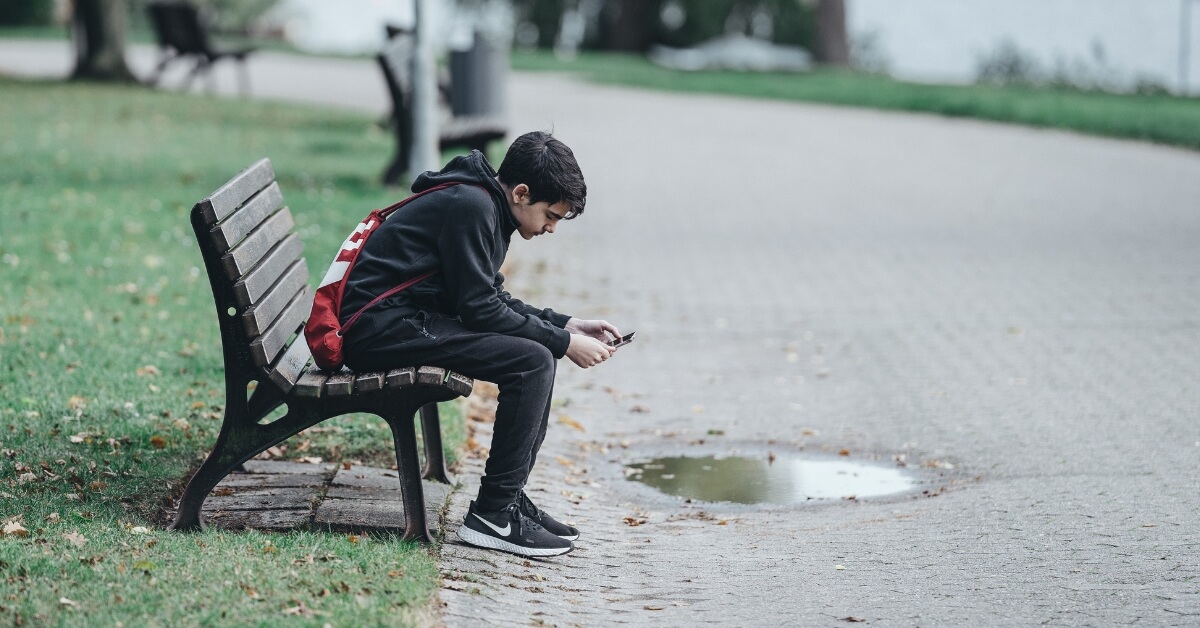
When boys are struggling emotionally, the signs can often look different from what we might expect – and different from how girls may show distress. Instead of tears or obvious sadness, boys are more likely to show irritability, anger, or changes in behaviour that can easily be brushed off as “just a phase” or “typical boy stuff.”
But these changes can be early clues that something deeper is going on. Some of the more common signs of anxiety, depression, or emotional distress in boys include:
These signs can be subtle. One day, he might just seem “a bit off” – a little quieter than usual or more reactive than normal. It’s easy to miss, especially when we’re all juggling busy lives.
But noticing these changes and gently tuning in can make all the difference. Boys often don’t have the words to say “I’m struggling” – so their emotions come out in other ways. The earlier we recognise these signs, the sooner we can step in and support them with the care and understanding they need.
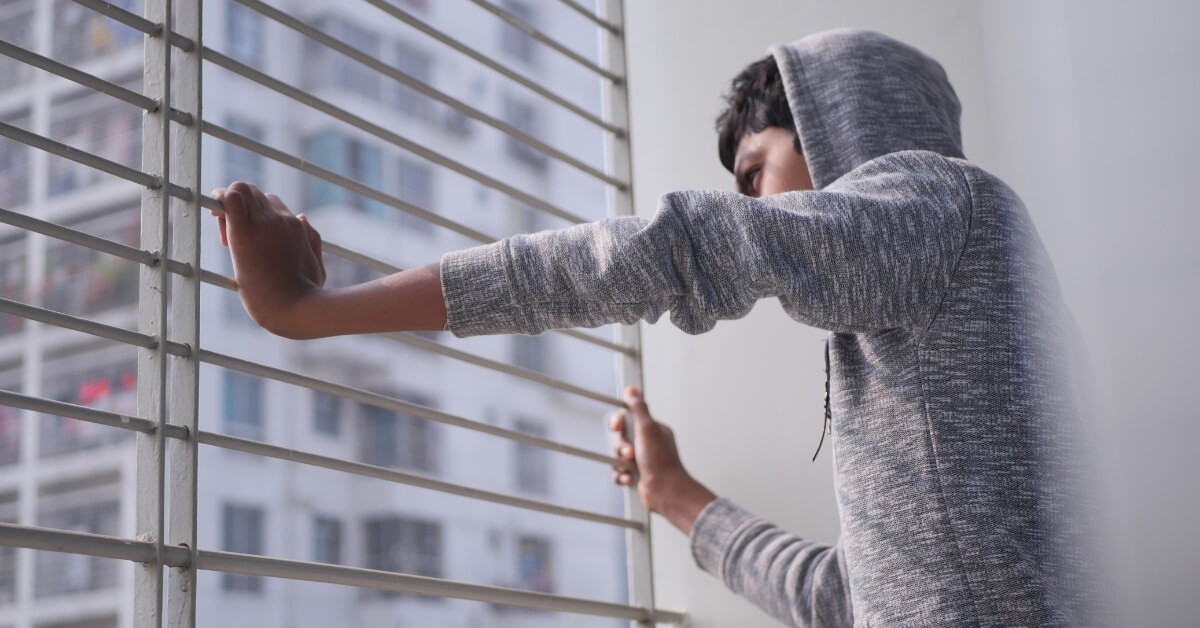
Many of us have heard phrases like “man up,” “boys don’t cry,” or “stop being dramatic.” Sometimes they’re said jokingly, other times out of habit – but they leave a lasting mark. When boys grow up hearing that vulnerability is a weakness, they start to believe that expressing emotions isn’t safe or acceptable.
Rather than opening up about how they feel, boys often push their emotions down and try to carry on. But bottled-up feelings don’t disappear – they find their way out in different forms. For some boys, this might look like defiance, sudden anger, or becoming overly silly or disruptive. Others might withdraw altogether, retreating into silence or distraction.
This puts boys in a tough spot. On one hand, they’re expected to be strong and resilient. On the other, they’re rarely given the tools or permission to express how they’re feeling. It’s a double bind – and it leaves many boys struggling quietly, unsure of how to make sense of what’s going on inside.
If we want to raise boys who are emotionally healthy, we need to start by challenging those outdated messages. Let’s remind them that strength isn’t about hiding emotions – it’s about learning how to navigate them.

More than anything, boys need to know that it’s okay to not be okay. They need to hear – and see – that feeling sad, scared, worried, or overwhelmed isn’t a sign of weakness. It’s simply part of being human.
One of the most powerful things we can do as families is model emotional openness ourselves. When dads, uncles, grandads, or other trusted male figures say things like “I’ve had a tough day” or “I’m feeling a bit anxious about that,” it gives boys permission to do the same. They realise emotions aren’t something to hide – they’re something we can talk about.
And when boys do open up, we don’t need to rush in with solutions. Just listening, without trying to fix or minimise, goes a long way. A simple “That sounds really tough” or “I hear you” is often enough.
Instead of brushing things off with “You’re fine,” we can validate their feelings: “It’s okay to feel this way. I’m here with you.”
That kind of reassurance builds trust – and helps boys develop the emotional resilience they need to face life’s challenges with confidence.
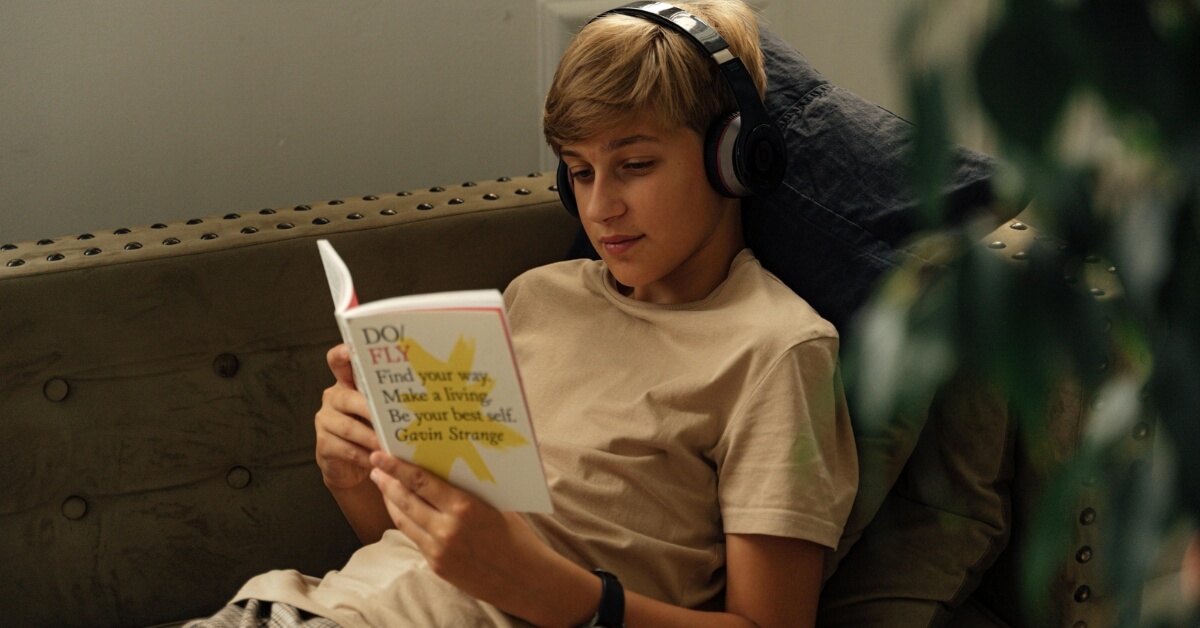
Home is where boys first learn whether emotions are safe to share – or something to hide. Creating a mentally healthy environment doesn’t mean being perfect parents. It means building small habits and moments that show our boys they’re allowed to feel, to be themselves, and to ask for help.
One of the easiest ways to start is by creating routines for open conversation. Asking questions like “What was the best part of your day? What was the hardest?” can open up space for reflection without pressure. The more normal we make these chats, the easier it becomes for boys to share when something’s bothering them.
Let’s also give boys permission to cry, be scared, or admit when they’ve made a mistake – without shame. Those moments are opportunities for connection, not correction.
There are lots of creative ways to explore feelings together:
Encouraging activities that support calm and connection can also help:
And finally, boys thrive on structure. Having routines, clear expectations, quiet spaces to reset, and predictable boundaries can offer the safety and steadiness they need – especially when the world outside feels overwhelming.

If you notice that your son’s struggles are lasting more than a couple of weeks, or getting in the way of daily life, it’s important to reach out for help. Getting support early can make all the difference – and it’s not a sign of failure. In fact, recognising the need for help is a real act of strength.
There are several ways to get support:
And remember – it’s okay to ask for help for yourself too. Supporting a child through tough emotions can be heavy, and you deserve support just as much as they do.
Spotting the signs of mental health struggles early can change the course of a boy’s life. While traditional ideas about masculinity may have silenced past generations, we have the power to rewrite that script at home.
By creating a safe space where boys are allowed to feel, speak, and be vulnerable, we’re not just supporting them in the moment – we’re helping them grow into men who can cope, connect with others, and truly thrive.
If you’re interested in connecting with other parents on this journey, we run a fatherhood mentoring programme that offers a space to explore parenting, emotional wellbeing, and positive male role modelling.
And if your son is a teenager, he might benefit from joining our mentoring programme for male students – where boys can connect with peers, explore healthy masculinity, build confidence, and start preparing for their future careers.

