
Have you ever thought about becoming a teacher and making a difference in the lives of young learners? Teaching is a rewarding and fulfilling career path that allows you to make a lasting impact on the lives of young learners. As you embark on this journey, it’s essential to understand the top qualities and strengths that make an educator truly exceptional. That’s where this blog comes in!
We’ll delve into the “Teacher’s Toolbox” and explore the 10 superpowers that will help you thrive as an educator. Think of this as a friendly guide to support you in developing the skills that will elevate your teaching game. We’ll discuss each superpower, share practical tips to strengthen these skills, and sprinkle in some real-life examples and anecdotes to bring these concepts to life.
Remember, the best teachers are those who are always learning and growing, so don’t worry if you don’t possess all these superpowers just yet. With dedication, empathy, and a little help from this blog, you’ll be well on your way to becoming the inspiring primary teacher you’ve always dreamed of being. So, let’s dive in and start unlocking your potential!
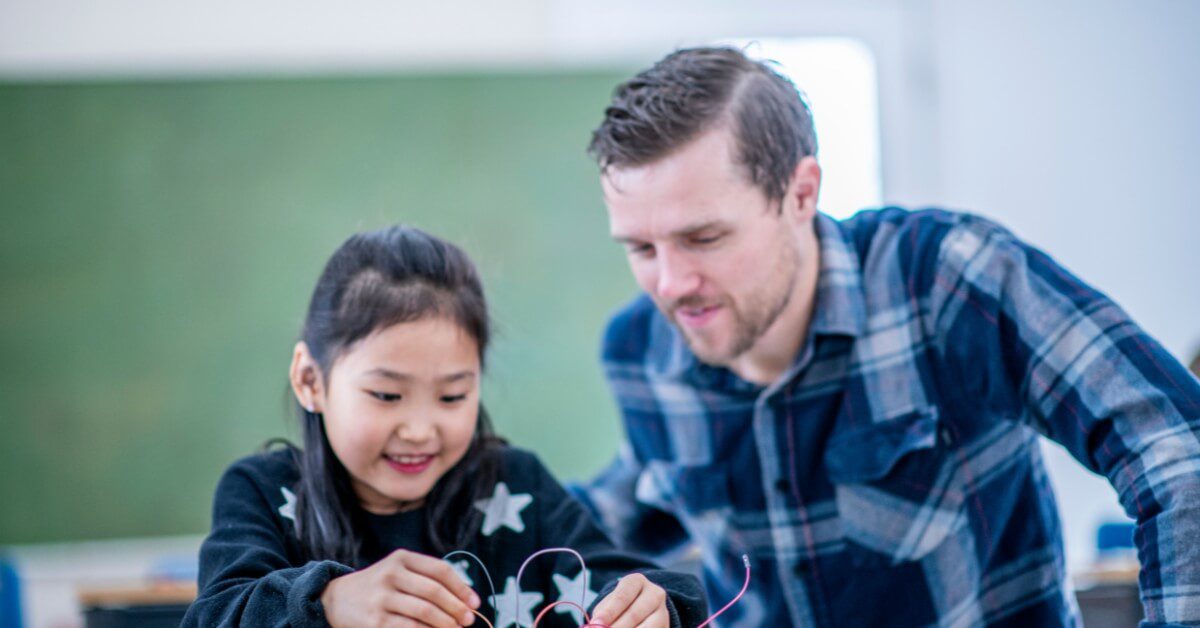
Let’s start with one of the most vital superpowers for an educator: empathy and emotional intelligence. You know, being able to connect with your students on a deeper level and understanding their feelings, emotions, and perspectives. This skill is incredibly valuable because it helps you create a safe and supportive learning environment where each child feels seen and understood. So, how can you develop your empathy and emotional intelligence? Here are some tips:
For example, remember that time when you struggled with a new concept and finally had a breakthrough? As an educator, sharing that story with your students can help them see that everyone faces challenges, and it’s okay to ask for help.
A male secondary teacher in London shared his own struggles with reading comprehension when he was younger, and how he worked hard to overcome it. By sharing his experience, he not only built rapport with his students but also encouraged them to persevere and strive for success. By fostering empathy and emotional intelligence, you can create strong connections with your students, making you a more effective and compassionate educator who can guide your students through their own struggles and help them achieve their full potential.

Next up in our teacher’s toolbox is the superpower of effective communication. Being able to convey knowledge and ideas clearly and engagingly is crucial to ensuring your children can grasp the concepts you’re teaching. But how can you sharpen your communication skills and make your lessons truly captivating? Here are some helpful tips:
For instance, do you remember that teacher who explained complex ideas using everyday examples and stories, making the content relatable and easy to understand? You can do that too! A great way to practice effective communication is to reflect on your own experiences as a student and incorporate the techniques that you found most engaging.
For example, a male primary school teacher in Bristol noticed that his students struggled with a particular math concept. He used the example of dividing a pizza to explain the concept, making it relatable and easy to understand for his students. By honing your communication skills as an educator, you’ll become a more impactful and memorable teacher, inspiring your students to actively participate and learn.

Now, let’s talk about the superpower of adaptability and flexibility. As an educator, you’ll encounter various challenges and diverse learning needs, making it essential to think on your feet and adapt your teaching style. Embracing change and being open to new ideas will help you address the unique needs of each student. So, how can you enhance your adaptability and flexibility? Here are some suggestions:
Consider the impact you can make as an educator who is adaptable and effortlessly switches between teaching methods to ensure every student stays engaged and understands the material.
For example, a male secondary teacher in Birmingham noticed that his class had vastly different learning styles and abilities. He decided to incorporate more technology into his lessons, using interactive quizzes and virtual reality simulations to cater to different needs. By being open to change and adjusting his approach, he created a dynamic and inclusive learning environment where every student could thrive.
By being an adaptable educator, you can make a significant impact on your students’ learning, ensuring that they get the support they need to succeed.

Moving on to the superpower of patience and perseverance, two qualities that are indispensable for any educator. Guiding students through challenges and setbacks with patience demonstrates your unwavering support and helps them build resilience. Perseverance, on the other hand, shows your determination to help students reach their full potential, no matter the obstacles. So, how can you cultivate patience and perseverance in your teaching practice? Here are some tips:
Imagine the powerful impact you can have as an educator who is steadfast and patient, empowering students to overcome challenges and keep pushing forward.
For instance, a male primary school teacher in Glasgow worked with a student who was struggling with severe anxiety and behavioural issues. By showing patience and perseverance, the teacher helped the student build trust and confidence, and eventually, the student began to thrive both academically and socially.
By nurturing patience and perseverance in your teaching, you’ll not only support your students’ growth but also inspire them to develop these essential life skills for themselves. Your dedication and perseverance can make a significant difference in your students’ lives, preparing them for success and helping them overcome any obstacle that comes their way.

Let’s explore the superpower of creativity and innovation, qualities that can truly set you apart as an educator. By thinking outside the box and incorporating fresh ideas into your teaching, you’ll spark curiosity and make learning fun for your students. Creative approaches can also help you better engage different learning styles and cater to each student’s unique needs. So, how can you foster creativity and innovation in your teaching practice? Consider these tips:
By embracing creativity and innovation, you’ll not only create a stimulating and memorable learning experience but also empower your students to think critically and approach problems from different perspectives.
For example, a male primary school teacher in Manchester incorporated hip-hop music into his lessons to teach his students about history and social issues. By writing and performing their own rap songs, his students not only developed their musical abilities but also learned about the power of language and the importance of self-expression.
As an innovative educator, your impact can extend far beyond the classroom, inspiring a lifelong love of learning in your students and providing them with the tools to succeed in a rapidly changing world.

Another essential superpower in our teacher’s toolbox is the ability to stay organised and manage time effectively. A well-structured classroom and efficient use of time will help you cover the curriculum while still allowing for creative exploration and in-depth discussions. Mastering organisation and time management can reduce stress and create a more focused learning environment for your students. So, how can you develop these crucial skills? Try these strategies:
By honing your organisation and time management skills as an educator, you’ll create a well-oiled learning environment where your students can thrive.
For example, a male primary school teacher in Edinburgh organised his classroom to cater to different learning styles, with designated quiet spaces for independent learning and areas for group work. With a structured yet flexible approach, he was able to meet the diverse needs of his students and ensure they received a comprehensive and engaging education.
By being organised and efficient, you can maximise your teaching time and provide your students with the attention and support they need to succeed.

Let’s delve into the superpower of collaboration and teamwork, essential qualities for creating a harmonious and cooperative classroom environment. As an educator, you play a crucial role in fostering a sense of unity among your students, teaching them the importance of working together and respecting each other’s strengths and weaknesses. Moreover, collaboration with your colleagues can lead to innovative teaching methods and a strong support system. So, how can you encourage collaboration and teamwork in your teaching practice? Consider these tips:
By fostering collaboration and teamwork as an educator, you’ll create an inclusive and supportive learning environment that empowers your students to achieve more together than they could individually.
A male secondary school teacher in Manchester encouraged group projects and team-building exercises to promote collaboration among his students. As a result, they not only learned the material but also developed social and interpersonal skills that will help them succeed beyond the classroom.
By nurturing essential life skills in your students, you can prepare them for success in various aspects of their lives, including their future careers.

Let’s examine the superpower of critical thinking and problem-solving, essential skills that will equip your students to tackle challenges and navigate an ever-changing world. As an educator, it’s your responsibility to foster these abilities by creating opportunities for your students to think deeply, ask questions, and develop their reasoning skills. So, how can you encourage critical thinking and problem-solving in your teaching practice? Here are some strategies:
By focusing on critical thinking and problem-solving as an educator, you’ll be preparing your students for success in their future careers and personal lives.
A male primary school teacher in Liverpool incorporated critical thinking exercises into his lessons to encourage his students to think independently and analytically. As a result, his students became confident problem-solvers who could apply their skills to real-world situations.
By equipping your students with these essential skills, you can help them become lifelong learners who are ready to tackle any challenge that comes their way.

Now, let’s explore the superpower of passion and enthusiasm. As an educator, your love for teaching and genuine excitement for the subject matter can be contagious, inspiring your students to embrace learning with open arms. A passionate and enthusiastic teacher can have a lasting impact on their students, creating memorable learning experiences and fostering a lifelong love for education. So, how can you ignite your passion and enthusiasm in your teaching practice? Try these tips:
By tapping into your passion and enthusiasm as an educator, you’ll not only fuel your own professional growth but also create a vibrant and inspiring classroom where your students feel motivated and empowered to learn.
For instance, a male secondary school teacher in Glasgow was passionate about literature and made it his mission to share that passion with his students. His enthusiasm was infectious, and his students became more engaged and curious about the subject. As a passionate and enthusiastic educator, you’ll have the power to shape the minds and hearts of your students, leaving a lasting impact on their lives.
By embracing your superpower as a male educator, you can inspire your students to pursue their passions and achieve their dreams.

To wrap up our exploration of the superpowers essential for educators, let’s discuss cultural sensitivity and inclusivity. Fostering a diverse and welcoming learning environment is of paramount importance. As an educator, your ability to understand and respect the unique backgrounds, perspectives, and experiences of your students can make a significant difference in their educational journey. Embracing inclusivity helps students feel valued, supported, and empowered to reach their full potential. So, how can you promote cultural sensitivity and inclusivity in your teaching practice? Consider these tips:
By prioritizing cultural sensitivity and inclusivity as an educator, you’ll create a nurturing and supportive learning environment that celebrates the unique contributions of each student and prepares them to thrive in our interconnected world.
For example, a male primary school teacher in London incorporated diverse perspectives and cultural traditions into his lessons to promote inclusivity and understanding among his students. As a result, his students became more empathetic and appreciative of different cultures and backgrounds.
By creating a culture of inclusivity and respect, you can empower your students to become compassionate and engaged members of their communities, both in and out of the classroom.

In conclusion, as we’ve explored the 10 essential strengths that make a truly exceptional educator, we’ve discovered the vital role that each of these superpowers plays in creating an engaging, nurturing, and inspiring learning environment for your students.
As an educator, it’s important to continually develop and refine these skills, ensuring you’re equipped to meet the diverse needs of your students and guide them toward educational success. If you’re looking for additional resources available to help you achieve this, here are some useful links:
Here is also a list of professional associations that are very helpful to educators like you:
By exploring these external resources, educators like you can gain a deeper understanding of the essential strengths discussed in this blog post and continue to grow and evolve in their teaching practice.
It’s time to embrace your inner superhero and strive to become the best version of yourself as an educator, unlocking your students’ potential and fostering a lifelong love for learning.
So, go forth and harness your superpowers, elevating your teaching practice and making a lasting impact on the lives of your students. The journey of self-improvement is ongoing, and as you continue to grow and evolve, so too will your ability to positively shape the educational experiences of those you teach.

