When we talk about parental responsibility, it’s easy to think only in legal terms – who has the right to make decisions, sign documents, or collect a child from nursery. But the truth is, parental responsibility is about so much more than paperwork. It’s about presence, connection, and consistent care.
In today’s world, many fathers want to be more involved but aren’t always sure what that looks like in practice. That’s why we’ve teamed up with David Wright – a father, grandfather, early years expert, and former nursery owner – to explore what parental responsibility really means and how we can better support dads on this journey.

Parental responsibility isn’t just about making sure a child gets to school on time or has clean clothes to wear – it’s about providing the full foundation for their life. That includes both the practical side – like ensuring they have a safe, stable home, access to healthcare, and support in their education – and the emotional side, which is just as vital.
As David Wright puts it, it’s about “providing for your child’s physical and emotional needs… a sense of belonging; wellbeing; being responsible for moral and social upbringing.” In other words, we’re not just managing day-to-day tasks – we’re shaping a child’s sense of identity and security.
It’s also important to recognise that parental responsibility isn’t fixed. As children grow, our responsibilities shift – from changing nappies and bedtime stories to helping them navigate friendships, feelings, and eventually independence. It’s a journey, not a job description.

For many dads, parenting can feel like a role they’re expected to just “figure out” – often without much guidance or support. While most fathers instinctively understand that they play an important part in their child’s life, knowing exactly how to show up in that role isn’t always clear.
As David explains, “understanding what this means in practice can vary according to various factors – including a father’s own experience of being parented, the cultural norms in his community, and whether he’s been educated or expected to step up.”
Parenting spaces and conversations are still often mum-led, leaving dads feeling like guests rather than equals. And while many men don’t think much about their legal rights until something goes wrong, those rights become painfully relevant when separation or disputes arise. As David says, “Parental rights are often not something that fathers pay heed to until they are contested.”
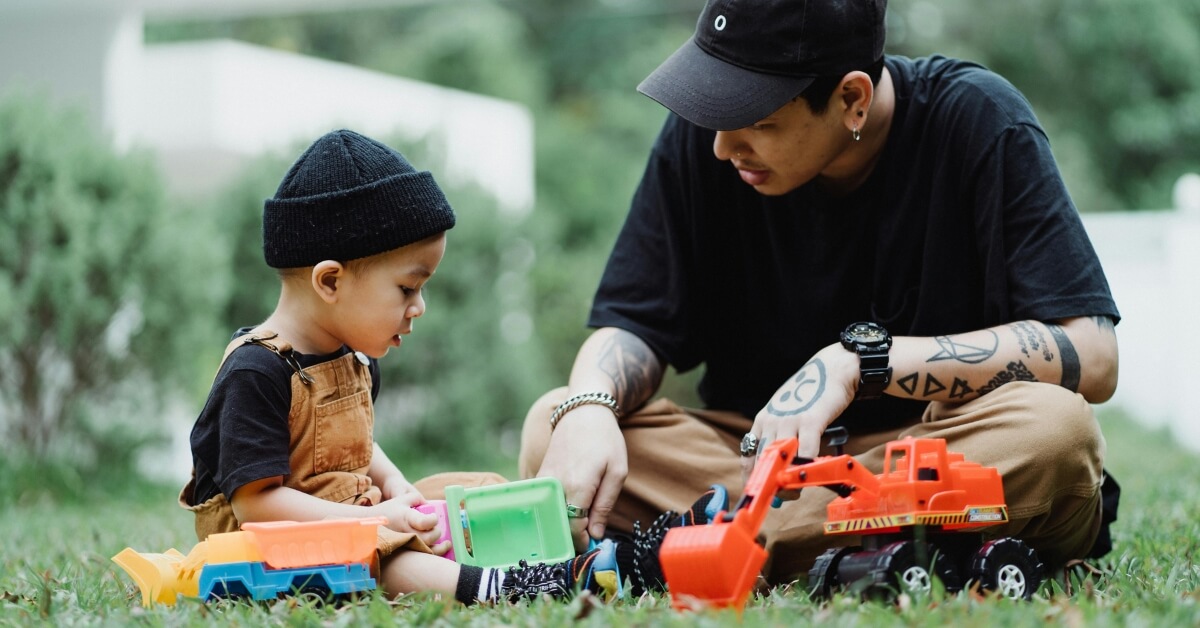
It’s surprisingly common for fathers to assume their legal rights either don’t exist or don’t matter – until something goes wrong. For many, it’s only during separation or conflict that the reality hits: rights can be questioned, contested, or even withheld.
David Wright reflects on his time as a nursery owner, explaining, “The mother may state that the father is no longer allowed access… unless there is a court order enforcing such actions, the father’s legal rights still continue.”
This is a crucial point. Legal parental responsibility doesn’t vanish with a relationship breakdown. Unless a court decides otherwise, fathers remain entitled to access information, attend appointments, and be involved in key decisions. That said, it’s vital that dads act with the child’s best interest at heart, especially when emotions run high. Early years settings are encouraged to remain neutral, always guided by legal facts – not personal conflict.

Being a good dad isn’t about doing everything perfectly – it’s about being emotionally available in the moments that matter. Emotional responsibility means showing up not just to do, but to connect.
David Wright puts it beautifully: “Emotional responsibility is about being intentionally present for your child… acknowledging, valuing and validating them for who they are rather than what they do or don’t do.” That might look like:
Every child deserves to feel seen, heard, and celebrated by their father. And as David reminds us, this isn’t about grand gestures – it’s about small, everyday moments that build trust and confidence over time.

Let’s be honest – fatherhood doesn’t come with extra hours in the day. With work pressures, commutes, and everyday demands, many dads feel stretched thin. But being a present parent doesn’t require grand gestures or endless free time – it’s about small, intentional moments.
As David shares, “Research says that as little as ten minutes a day can be sufficient to make a difference.” Whether it’s a shared breakfast, a bath-time routine, or a bedtime story, these anchor points in the day can build powerful connections.
It’s not the quantity that matters most – it’s the consistency. When we protect time for our children like we would for a meeting or deadline, we show them they matter. That doesn’t mean being perfect – it just means being there, regularly, in the ways that count.

Parenting isn’t always straightforward – especially when separation, distance, or tension with a co-parent comes into play. But even in the most difficult circumstances, we can choose to put our child’s needs above everything else.
As David Wright reminds us, “This may require some compromises in what the father sees as unfair or unreasonable… but if these mean that father and child continue to spend time together, this is in the best interests of both.”
It’s easy to let pride or frustration take over, but holding onto the relationship with your child is what matters most. That might mean being flexible, adjusting plans, or showing up even when time is short. Because when we’re consistent – even in small ways – we build trust, resilience, and a lasting bond that children carry with them for life.
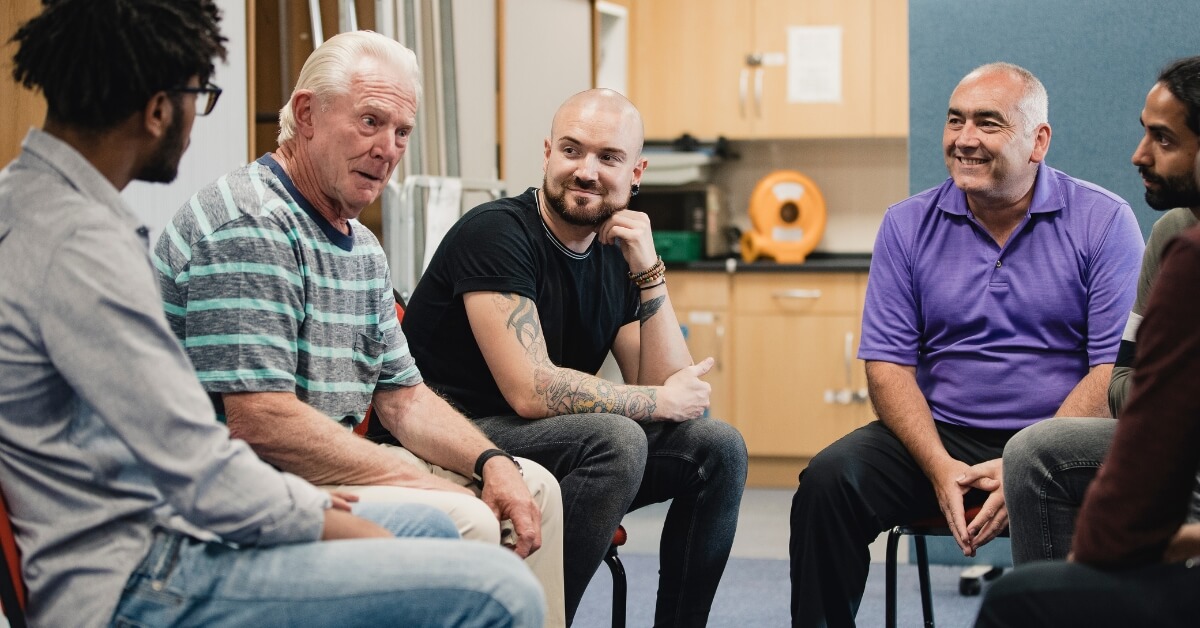
Early years settings can play a huge role in making dads feel seen, welcomed, and involved – but this doesn’t always happen by accident. Sometimes, all it takes is a few small changes to make a big impact.
David shares a great example: “DUG days (Dads, Uncles & Grandads) work well – inviting male carers to spend time with their children together provides peer support and helps them feel more at ease.”
We’ve also seen that:
It’s about creating a culture where dads feel they truly belong.

Most dads truly want to do their best – they just need a little more guidance, reassurance, and confidence to get there. Parental responsibility isn’t about having all the answers or being in control. It’s about leading with love, being present, and staying connected through life’s ups and downs.
As David puts it, “Understanding responsibilities as something positive in terms of relationship building… helps fathers understand the importance of their role.”
So don’t wait for a crisis to engage. Get involved now, in the small ways that matter. Because your child doesn’t need a superhero – they just need you, showing up, again and again.