
The Early Years Foundation Stage (EYFS) is a statutory framework that sets the standards for the learning, development and care of children aged between birth and 5 years old.
All schools and Ofsted-registered Early Years childcare providers must follow the EYFS. This also applies to childminders, preschools, nurseries and school reception classes.
Only schools and Early Years childcare providers in England must adhere to the EYFS. There are different early years standards in Scotland, Wales, and Northern Ireland.

As an Early Years educator, you will be working with children aged between birth and 5. You might work in a wide variety of settings, including day nurseries, pre-schools, reception classes, childminders’ homes, creches, and many more. You might even work privately as a tutor, nanny or extra-curricular teacher.
Whatever the setting you work in, it is crucial that the activities you plan and carry out for the children in your care meet the requirements of the Early Years Foundation Stage (EYFS).
Your mission as an Early Years educator will be to motivate children and stimulate their curiosity by using available resources in a creative way. You will also provide children with a safe and secure environment for them to develop across the 7 areas of learning of the EYFS. Meanwhile, you will keep track of children’s development by recording observations and summarising their achievements.
Your primary goal as an Early Years educator is to prepare your children for a successful transition to primary school.
Becoming an Early Years educator might sound overwhelming at first, but with the right support you will be able to acquire the necessary knowledge and skills to carry out this rewarding role. For this reason, we have put together a useful guide for you, packed with valuable information on what a career in the EYFS looks like.

There are 7 main areas of learning in the Early Years Foundation Stage (EYFS).
Each of the areas is important as they are all interconnected. The 7 areas of learning in the EYFS are utilised by Early Years educators to shape their teaching, maintain good practice, and track children’s development according to how they are learning.
The 7 areas of learning in the EYFS consist of two categories: the prime areas and the specific areas.
The prime areas of learning in the EYFS lay the foundations upon which all further learning can develop. The prime areas are also extremely important for ‘igniting children’s curiosity and enthusiasm for learning, forming relationships and thriving’, as stated in the statutory framework for the Early Years Foundation Stage. The three prime areas are:
Early Years educators must also support children’s learning and development in the specific areas. The four specific areas are intended to also strengthen learning and development within the prime areas. For this reason, the 7 areas of learning in the EYFS are seen as being interconnected. The four specific areas are:

The Statutory Framework for the Early Years Foundation Stage (EYFS) sets the standards for promoting the learning, development and safety of children from birth to five years in Ofsted registered settings. The EYFS lays down the legal requirements that Early Years childcare providers must meet, including:

The Learning and Development requirements cover three prime areas, which are considered particularly important for stimulating children’s interest in learning, and in building relationships:
The three prime areas are strengthened and supported by four specific areas of learning: Literacy, Mathematics, Understanding of the World, and Expressive Arts and Design. These areas are interconnected, with learning in one particular area cross-referencing learning in the others.

To effectively plan for children’s learning, Early Years educators need to observe children to identify their interests, explore the way they learn, and monitor their progress in each area of learning and development.
Reflecting on these observations means that Early Years educators can shape learning experiences for individual children. As part of the assessment process, parents and carers should be encouraged to share their own observations of their child’s progress.
An assessment may be formative or summative: formative assessments provide us with insight into how current teaching strategies can help our learners improve, whereas summative assessments indicate whether a learner has achieved what it was set out to do at the beginning of the learning journey.
Formative assessments are carried out to monitor how well a child is progressing and how they are responding to teaching strategies.
This type of assessment is carried out in various ways, such as asking how the child is feeling or what they want to learn.
Formative assessments can also be done by observing how well a child focuses and responds in different situations. This involves noting how often the child engages with various materials or how long it takes to complete tasks/activities.
Another formative assessment technique would be assessing how active a child is during activities; an example is counting how many times they move from one place on their mat to another while playing.
Formative assessments are utilised throughout the EYFS because we need insight into how children are developing to know when something needs changing or if interventions should stop altogether.
Summative assessment can be utilised to establish if children have achieved what was set out for them at the beginning of their education.
For example, how a learner can read the alphabet or how well they know their number facts.
This type of assessment is usually done at pre-determined time points to see how much progress has been made and how different teaching strategies have helped children along the way. It’s also used as evidence for parents that their children are on track with what they should be learning.
Assessments should always include observation, conversations with parents, checklists, records and portfolios. By carrying out assessments, Early Years educators help ensure that children’s progress can be tracked appropriately, so they can adjust their practice as needed based on observations. Furthermore, an accumulation of evidence helps support children’s claims about how they learn best by showing how diverse individual needs can be met.

While formative and summative assessments are part of an ongoing process, there are specific times when it is a statutory requirement to provide a summary of how children are developing in relation to expected levels of progress for their age.
Under the EYFS, it is a legal requirement for Early Years educators to review children’s progress between the ages of two and three. This integrated review, also called the 2 years progress check, involves Early Years educators, health visitors and parents sharing their knowledge and understanding of the child to provide a comprehensive picture of the child’s development and take joint decisions on any specific support, if required.
The Early Years Foundation Stage Profile is a statutory review of children’s progress in the year they reach five. It is designed to inform parents about the child’s progress in relation to the early learning goals and support the transition to Year 1.
The Alliance publishes a helpful guide, Observation, Assessment and Planning, which is grounded in the EYFS and provides useful templates for effective practice.

Early Years childcare providers must take all reasonable steps to keep children safe and well. The EYFS requires Early Years settings to show consideration of the following ten areas of Safeguarding and Welfare.
Each area carries specific requirements to guide Early Years policies, procedures and practices.
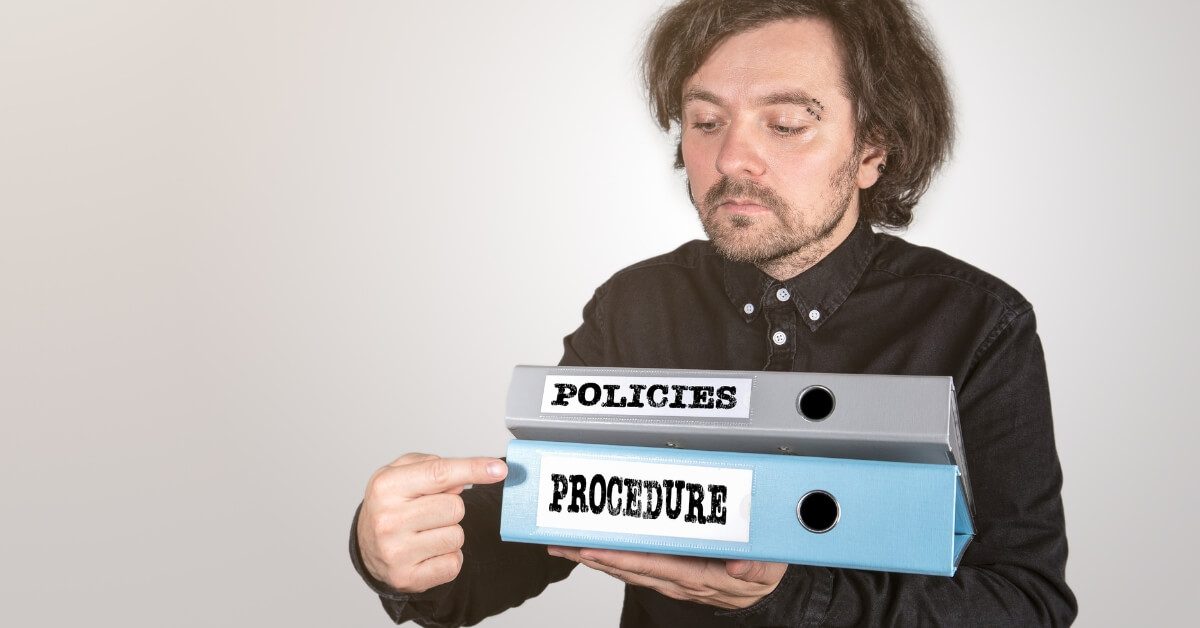
Policies and Procedures play a significant role in improving the quality of teaching and childcare standards in the Early Years Foundation Stage (EYFS).
Well-designed Policies and Procedures are an integral part of best practice. They give essential and clear information to parents and staff about an Early Years childcare provider’s aim. Policies and Procedures rule out the steps that an Early Years setting takes to put their vision into action. The EYFS requires that settings must have written copies of certain Policies and Procedures.

Data from Indeed shows that an Early Years Educator in the UK earns an average salary of £21,900 a year, reaching up to £34,000 per annum depending on qualifications, experience, location and the type of childcare provider they work at.
An unqualified Nursery Assistant in the UK earns an average salary of £15,277 a year, reaching up to £24,000 per annum depending on their experience, location and the type of setting they work at.
As a Nursery Room Leader in the UK, you could earn £23,540 a year on average, reaching up to £36,000 per annum depending on your qualifications, experience, location and the type of childcare provider you work at.
Based on the latest salaries on Glassdoor, the average salary in the UK for a Nursery Third in Charge is £27,738 a year, reaching up to £40,000 per annum depending on qualifications, location and the type of setting.
If you work as a Nursery Deputy Manager in the UK, your salary could averagely be £24,409 a year, reaching up to £37,000 per annum depending on your qualifications, experience, location and the type of setting you work at.
If, on the other hand, you are a Nursery Manager in the UK, you could on average earn £31,096 a year, reaching up to £52,000 per annum depending on your qualifications, experience, location and the type of setting you work at.
Based on jobs advertised on Totaljobs, the average salary for a Reception Teacher in the UK is £27,500 a year, reaching up to £50,000 depending on experience.
A registered childminder’s salary is difficult to calculate, as this could literally depend on several factors, such as location, how many children they look after at their setting, how many hours they work per week, what their expenses are and if they work alone or alongside an assistant. A childminder could earn anything between £0 and £77,000 a year in the UK.
According to Jobted, a child psychologist’s average salary in the UK is £43,200 a year, reaching up to £70,000 per annum depending on experience and location.
As a Speech and Language Therapist in the UK, you could earn a starting salary of £27,055 a year, leading up to £47,672 per annum once you reach an advanced level or are highly specialised, according to Prospects.
Statistics from Reed.co.uk show that a nanny in the UK averagely earns between £43,313 and £44,222 per annum.
Based on the latest salaries on Talent.com, the average childcare tutor’s salary in the UK is £25,984 per annum, reaching up to £30,000 for the most experienced workers.
Data from Bubble reveals that the average salary for a babysitter in the UK ranges between £8.50 and £11.00 per hour.
According to UK Government guidelines, live-in Au Pairs in the UK receive approximately £70 to £85 per week.

There are plenty of roles you can work in that help children learn and develop in the Early Years Foundation Stage (EYFS). From working in a primary school as an Early Years Educator to leading a team of Nursery Practitioners in a childcare setting, there are a wealth of job titles available out there:

If you are willing to take on extra responsibilities within your nursery or school, there are a lot of specific roles you could cover across your setting in addition to your regular duties. These include:
As a Special Educational Needs Coordinator (SENCO) you will oversee the day-to-day operation of your nursery’s or school’s SEND policy. You will also coordinate provision for children with Special Educational Needs. Liaising with and advising fellow teachers will be a core part of your role as a SENCO.
Forest School Leaders focus on planning, preparing and delivering purposeful and productive outdoor activities for children. They select and use a range of different resources and teaching styles, appropriate to the forest school experience. It is their responsibility to accompany teaching staff and children on visits, trips and out of school activities as required, and take charge of a group under their supervision.
As a Bilingual Teacher or Foreign Language Teacher, you will plan, prepare and deliver language activities or lessons to a range of age groups. You will also organise and get involved in social and cultural activities, such as language competitions, language-themed parties, dinners and excursions. Providing feedback on both oral and written work to children will be a vital aspect of your role.
Montessori teachers provide alternative education to children and have been trained in the Montessori method to provide guided learning in a stimulating environment. Montessori teachers observe, guide, supervise, and assess children while they learn in a classroom environment. They develop lesson plans and independent learning exercises as well as curricula and methods that cater to the child’s individual needs.
As a Prevent Officer, you will ensure that every teacher and Early Years educator within your setting adheres to the Prevent Duty. In detail, you will make sure every classroom is a safe space where children can explore ideas and controversial issues freely, openly and age-appropriately. You will also provide skills and knowledge to explore political and social issues critically, to weigh evidence, debate and make reasoned arguments. A crucial part of your job will include promoting the Fundamental British Values of Democracy, Rule of Law, Individual Liberty and Mutual Respect across your nursery or school.
Liaising with local fire services, carrying out risk assessments and investigating accidents are examples of responsibilities you will have as a Fire Safety Officer. Training staff in fire prevention and evacuation drill will be a regular task on your agenda. You will be the first person in charge of organising fire drills, carrying out spot checks across the building and testing fire alarms.
Designated safeguarding leads are responsible for ensuring that child protection files are kept up to date. They link with the safeguarding partner arrangements to make sure staff are aware of any training opportunities and the latest local policies on local safeguarding arrangements. Additionally, it is their responsibility to ensure that staff are supported during the referrals processes.
Online Safety Coordinators implement regular online safety training and induction for all members of staff that is integrated, aligned and considered part of the overarching safeguarding approach. They also work with staff to ensure that appropriate online safety education is embedded throughout the curriculum by promoting the responsible use of technology and empowering children to keep themselves and others safe online. It is the Online Safety Coordinators’ responsibility to ensure that online safety is promoted to parents and carers and the wider community through a variety of channels and approaches.
Health and safety representatives have a duty to consult all staff about health and safety issues in the workplace. They do this by either directly talking to employees or to a safety representative acting on behalf of the employees. It is their responsibility to investigate complaints, possible hazards and dangerous incidents within the nursery or school. Health & Safety Representatives carry out regular inspections of the workplace and take part in risk assessments.
Equality, Diversity and Inclusion Officers aim to reduce workplace discrimination, fight for equal access to services and promote positive attitudes at work. They research, apply and promote diversity initiatives within a nursery or school and share best practice. In fact, it is the Equality, Diversity & Inclusion Officer’s responsibility to provide advice, guidance and support on equality and diversity issues. They raise awareness in nurseries and schools, promote changes, and develop systems for reporting any incidents of discrimination organisations.
As a Behaviour Manager, you will support staff in dealing with children’s challenging behaviour in a nursery or school. You will investigate incidents related to unwanted behaviour by taking statements, interviewing teachers and early years educators, and making recommendations to the Nursery Manager or Headteacher. Additionally, you will liaise with parents or carers as and when required. You will advice your colleagues with strategies to tackle challenging behaviour, and will follow up safeguarding issues in line with your workplace’s policies and procedures.
As a Head of Curriculum, you will primarily be involved with planning and overseeing the development and implementation of the school’s curriculum. You will also provide feedback to teaching staff in relation to the effectiveness of current systems, and raising awareness of new learning frameworks. Therefore, as a Head of Curriculum, you will develop appropriate monitoring systems and provide training and professional development. You may be required to liaise with external parties, involving attendance at committees and meetings outside nursery or school hours.
As a Family Liaison Officer, you will assist in tackling children’s underachievement by working in partnership with families, parents, carers and children in a nursery or school context. This way, you will enable children, particularly the most disadvantaged, to have full access to educational opportunities and overcome barriers to learning and participation. As a Family Liaison Officer, you will also be the first port of call for parents who want to learn more about your nursery or school. Therefore, you will show them around and answer any questions they might have.

The role of an Early Years Educator in the Early Years Foundation Stage involves a wide variety of tasks, some of which are:

To be a great Early Years Educator in the Early Years Foundation Stage (EYFS), you will need specific skills, such as:

Often Early Years educators kickstart their career by working as unqualified nursery assistants under the supervision of more experienced, qualified staff.
To become a qualified Early Years educator, you will need to complete a Level 2 or Level 3 childcare qualification. Examples include Level 2 Certificate for the Children and Young People’s Workforce, Level 3 Diploma for the Children and Young People’s Workforce or Level 3 Diploma for the Early Years Workforce.
You can see online a full list of approved Early Years qualifications released by the Department for Education.
Early years educator qualifications are widely available through local further education colleges and other training providers. Depending on how your course is funded, you may be required to have GCSEs (A*-C) in English and Maths.
All Level 3 childcare qualifications that have commenced after September 2014 require a GCSE with grade C or above in English and Maths, or a Level 2 Functional Skills in English and Maths. You can check with your training provider whether you need GCSEs to start the course or whether you can do these alongside your training.

You can find information on training and development, careers and courses in the Early Years Foundation Stage (EYFS) from:
Experienced Early Years educators could study towards a higher education qualification in early years or child development to open up career options in management or early years teaching. Higher education qualifications include:
If you have a higher education qualification, you may be able to apply for early years Initial Teacher Training (ITT). This leads to the award of Early Years Teacher Status (EYTS). The route taken will depend on your qualifications and experience. You can find out more on the Get into teaching website. You can take a look at the early years role profiles under the teaching and learning support job family to find out more about the different levels you could work at.
For more information in Scotland, you can reach out to Skills Development Scotland.
In Northern Ireland, you can contact Careers Service Northern Ireland.
In Wales / Cymru you can get in touch with Careers Wales.
A career in the EYFS can be one of the most rewarding jobs available today. If you are looking to train to become a teacher in the UK, but do not know where to start, why not check out our blog on the 7 underrated ways to start a career in the EYFS?

