Music has always played a special role in early years education – but it doesn’t need to be complicated. We don’t need instruments, pitch-perfect voices, or musical training to make it part of our everyday practice. In fact, some of the most powerful musical moments come from simple songs, claps, or hums woven into daily routines.
That’s exactly what sparked our new webinar series, inspired by one of our male apprentices who shared his passion for music and asked if we could bring more of it into his learning. In response, we teamed up with early years music specialist Dan Berman, who brings years of hands-on experience to help educators confidently use music to bring rhythm, connection, and calm into every day.

When we talk about music in early years, many of us instinctively shy away – worried we’re not “musical enough” to lead songs or rhythm games. But as Dan Berman reminds us, “Being musical has nothing to do with bringing music into everyday routines.” It’s not about talent or training – it’s about recognising music as a tool to support children’s development, and using it with intention.
Music has the power to shift the energy in a room, guide behaviour, and support learning. A familiar tune can help children transition calmly, while a gentle rhythm can ease anxiety or spark joy. From settling nerves during drop-off to helping a child rest at nap time, music works quietly in the background to enhance the day.
Dan believes that if we understand how music affects mood, behaviour, and engagement, that alone is reason enough to embed it into our everyday practice – no musical expertise required.

There are so many natural moments in an early years day where music can work its quiet magic. According to Dan, “Arrival provides opportunities for setting the mood for the entire day.” A warm, welcoming playlist or simple morning song can help children feel safe and settled from the moment they step through the door.
Transitions are another prime opportunity. Whether it’s moving from playtime to tidy-up, or preparing for outdoor play, short familiar songs can cue the change and guide children gently from one activity to the next. “Simple songs to listen to, or with classroom actions, can make transitions so much smoother,” Dan shares – and smoother transitions often mean fewer meltdowns.
Music also supports calm and connection during meal and rest times. Soft background music offers a sensory break in busy settings and helps children regulate after periods of high energy. Even tidy-up time can become a joyful group effort with the right song.
By weaving music into these key points, we can bring rhythm to the day, reduce stress, and keep children gently engaged and connected throughout.

One of the best things about embedding music into early years is that it doesn’t require a complete overhaul – just a few familiar songs and a willingness to give it a go. Dan encourages us to start with what we already know and adapt it to suit different age groups.
For babies, classics like ‘Wheels on the Bus’ work beautifully – not just for fun, but for development too. Using babies’ arms and legs to match the movements supports gross motor skills and even aids digestion through gentle movement. For toddlers, ‘Twinkle Twinkle Little Star’ offers a moment of calm and helps develop fine motor skills through actions like twinkling fingers.
For children aged 3 to 5, more active songs like ‘We’re Going on a Bear Hunt’ or ‘The Grand Old Duke of York’ are ideal for gross motor development and imaginative exploration. These songs invite movement, storytelling, and repetition – three ingredients that help embed learning.
Dan also suggests incorporating vocal and body percussion into short circle times. These tools are great for grabbing attention, encouraging participation, and bringing fun into the classroom – especially during those moments when energy needs channelling.

Music has a unique ability to reach children who might otherwise stay on the fringes. Whether a child is shy, neurodiverse, or simply less responsive to group activities, music can offer a non-verbal way to connect, comfort, and communicate.
Dan highlights that the key to inclusive musical practice is responsiveness. “Music can be a great tool to increase inclusivity,” he explains. “The key is finding specific songs that these children are responsive to.” That might mean noticing how a particular rhythm soothes a child, or asking families about favourite songs from home.
For some children, music can even serve as a gentle intervention tool. Dan encourages us to “use music as a reset” – a way to shift energy, calm heightened emotions, or help children re-engage after feeling overwhelmed.
By tuning in to individual responses and acting proactively, we can use music not just for entertainment, but as a meaningful part of emotional support and inclusion in early years education.
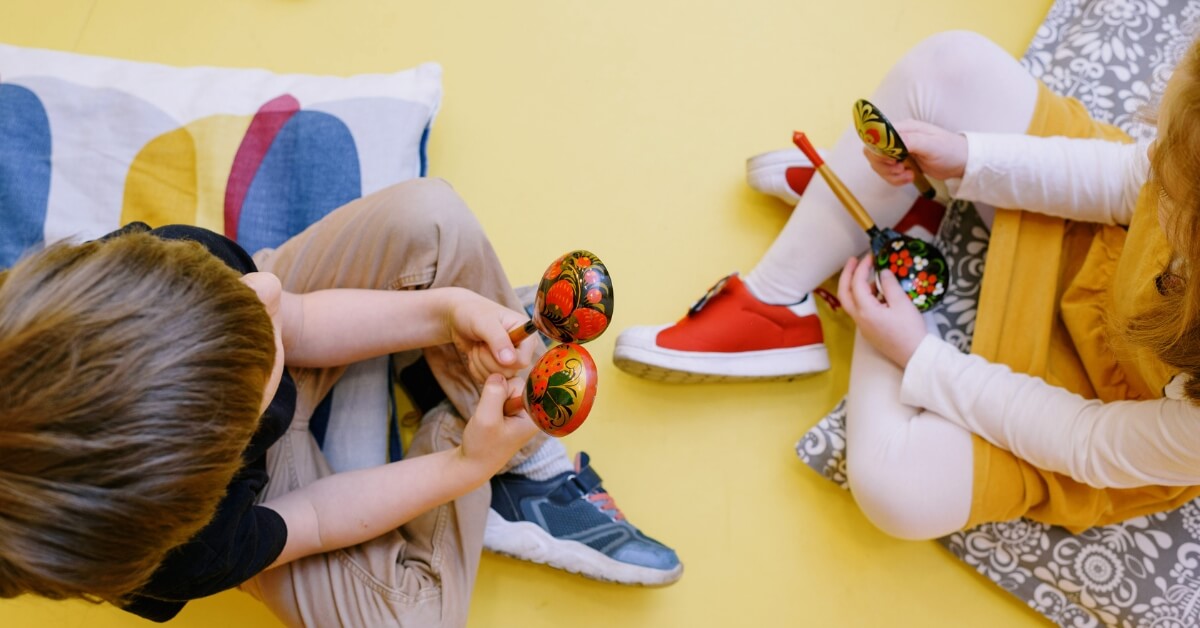
Creating a musical atmosphere isn’t just about individual practice – it’s about nurturing a culture where music is part of everyday life across the whole setting. Dan suggests we start small: “Making music a centre-wide focus can begin as small as playing soft, warm music throughout the centre from open to close.” This simple change can instantly shift the tone and create a sense of calm and continuity for both children and staff.
Other easy ways to bring the team on board include giving each room a music player, rotating welcome songs between classrooms, or even encouraging older children to make up their own music for the group to use. These playful, low-pressure approaches make music feel accessible to everyone – regardless of their musical background.
Leaders can set the tone by modelling this ease and enthusiasm. With small shifts like these, staff gain confidence, children stay engaged, and music becomes a natural, joyful part of the day rather than an added extra.
One of the biggest barriers to embedding music in early years is the belief that we need to be “musically talented” to do it justice. But Dan is clear: “You don’t have to be musically talented to bring music into early years.” This mindset shift is key.
Children don’t need polished performances – they need connection, rhythm, and repetition. A wobbly tune sung with warmth can have just as much, if not more, impact than a perfect melody. And as Dan points out, “No, the children aren’t too young for it to matter.”
Letting go of this myth opens the door to joyful exploration – for us and for them. Because in the early years, the heart behind the song always matters more than the sound.
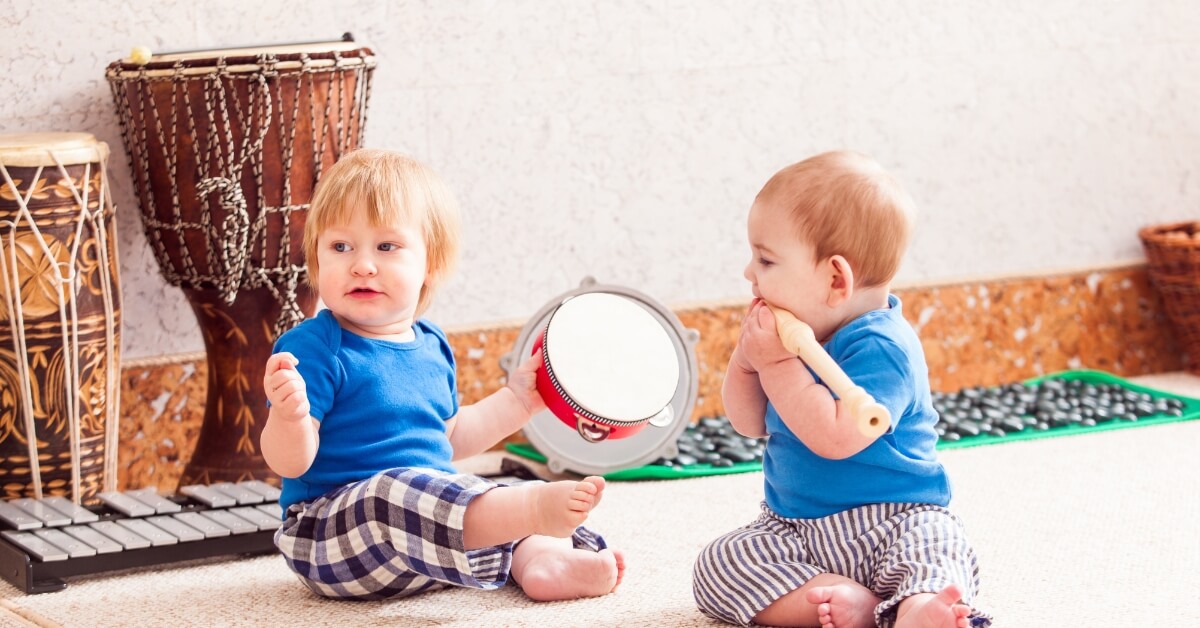
If you’re wondering where to start, Dan suggests something simple: “Add a morning welcome song or playlist to your arrival that sets the mood you are ideally seeking.” Choose something warm and slightly energetic – nothing too fast or loud.
From there, try adding short songs to transitions or quiet times like meals and rest. It’s not about being perfect – it’s about being consistent. The more music becomes part of the rhythm of the day, the more natural and impactful it becomes for everyone.

Everyday music has the power to gently transform early years settings – bringing rhythm, joy, and connection to the most ordinary moments. As Dan has shown us, music isn’t just for the trained or talented; it’s for all of us – and for every child in our care.
Whether you’re humming through tidy-up or leading a circle time beat, there’s magic in the doing. So let’s embrace it. Rediscover your own musicality, however it sounds – and take the first small step towards making music a natural part of your day.