
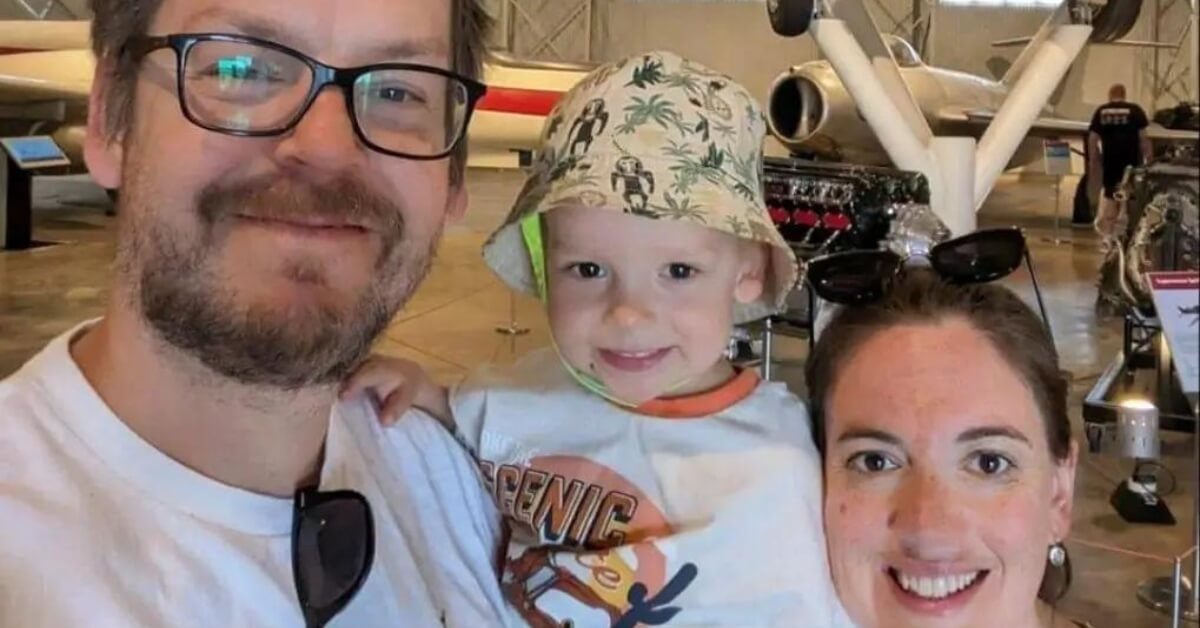
Having a child is one of the biggest decisions you have to make in life. There are many factors that play a part, ‘are we ready?’, ‘is it the right time?’, ‘can we financially afford it?’ and most of all ‘are we cut out for it?’ Nothing can truly prepare you for this ultimate baptism of fire, until you walk out of those hospital doors and look back to check if anyone will stop you carrying the tiny human to the car. Then it hits you – your responsibility for this child and the art of fatherhood starts.
Luckily for me, the preparations for fatherhood started 8 years prior to the birth of my son. Having worked in the early years sector in various roles, it has given me firsthand knowledge and experience which I apply in my day-to-day life as a father. I would often call this ‘life experience’.
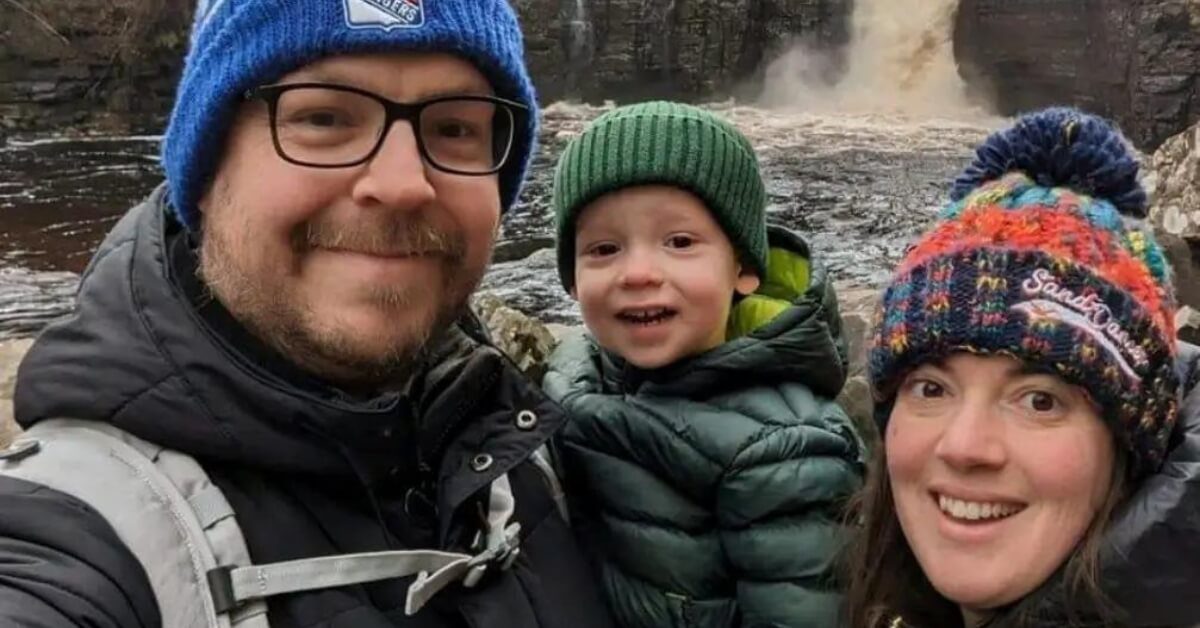
Before my career, I’d never changed a nappy, engaged with a baby or even simply played with a child. I had younger cousins, however, they lived far away, so when I started working as an Early Years Practitioner back in 2012, I was going in blind.
At the time, I remember feeling lost. I trained as a primary school teacher and didn’t truly understand what it was to work in early years. I began working in the 2- to 3-year-old room which felt a world away from working in a key stage 1 classroom and I found myself standing in the middle of the room with 20 children running around.
Staff who are passengers soon get found out, so I had to learn and fast. Although I lacked confidence, I ensured that I observed others at work and how they engaged with the children and after a few months, I remember my room leader at the time saying “You’re one of the experienced members of the team now”, not just an indication of the staff turn around, but a complimentary nod to how I had fit in and learned in such a quick manner.
One of the key factors I feel that early years prepares men for fatherhood is what type of father they will be. Do you want to be outdoorsy? Sporty? Or more cerebral? Are you going to stick to a strict routine, or do you want to be free-flowing? Are you going to be risk-averse or managed? These are all difficult questions until you have firsthand experience.
Before my experience, I liked to think I’d be a more cerebral father, teaching my child the ins and outs of the world through books, however, having spent a large proportion of my early years career in the forest, I found that I am far more outdoorsy than I could ever have expected. Similarly, early years gave me the knowledge and confidence to manage risk in a controlled manner – explaining to someone the benefits of a 4-year-old independently climbing a tree a couple of metres in the air or using a saw to cut wood, I’m often looked at in disbelief.
I’ve used my ‘life experience’ from nursery to then feed into my parenting, setting up activities and engaging with my child in particular ways and I’ve even bought a tough tray. The toys and resources that we buy for our son will often be those that I’ve used at nursery and know are invaluable tools. Although we can learn about behaviour management, the practical experience cannot be taught.
As a man, I’d often be seen by some staff as a disciplinarian figure, which was far from the truth and unhelpful. I can’t count how many times I have heard ‘Watch out, here’s Mark’ or ‘Mark’s here now, he’ll tell you’ as some kind of threat of discipline for the children. I cannot stress the importance of positive reinforcement, so when a staff member has said this, I have gone down the positive reinforcement route rather than some kind of tyranny. I wanted to be a positive role model and demonstrate positive behaviour. Because of this, children tend to gravitate towards me and look to me as a male role model.
From an academic perspective, completing my PGCE, forest school training, and early years initial teacher training gave me the knowledge of theorists. This academic foundation, in turn, gave me insights into brain development from birth to 5, analysing schemas, and understanding the art of play, all of which feed into my own parenting technique.
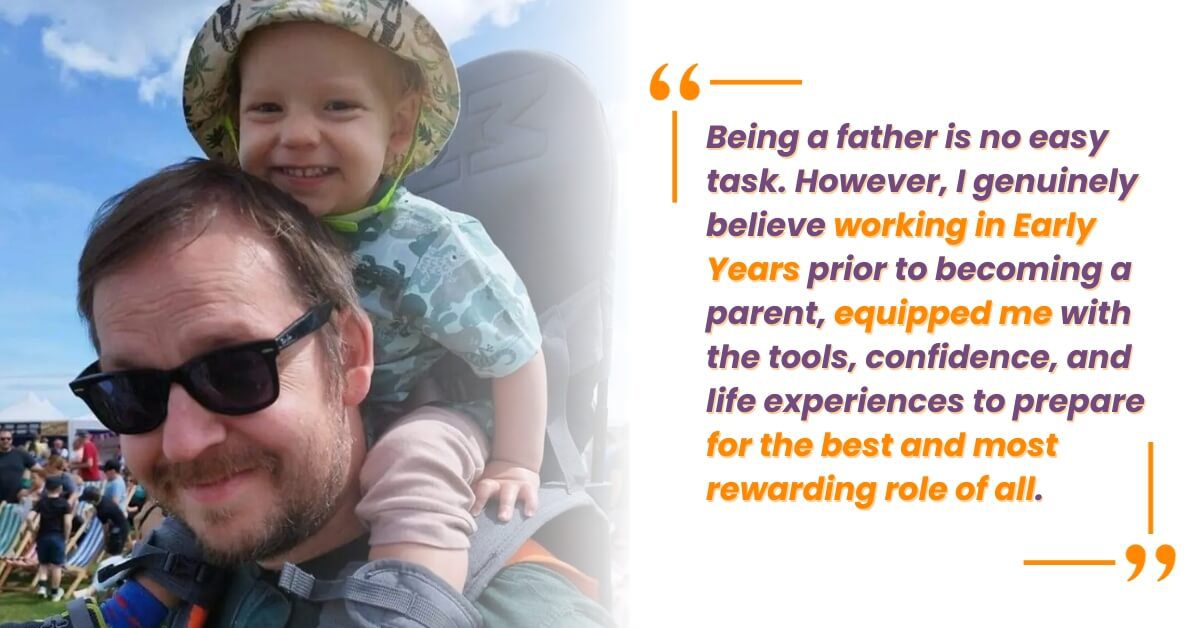
To summarise, being a father is no easy task, however, I genuinely believe working in early years prior to becoming a parent, equipped me with the tools, confidence, and life experiences to prepare for the best and most rewarding role of all.


