
Richard Waite’s journey into early years education began with a deeply personal experience. The birth of his first sister, who was born with special educational needs (SEN), sparked his interest in supporting children. His family’s involvement with the charity SENSE, which offered support to his sister and others with similar needs, opened Richard’s eyes to the world of early childhood education. “It was there I really got interested in supporting children,” Richard reflects, noting how his mother, a teacher, encouraged him to pursue a course in childcare – the NNEB diploma in Nursery Nursing.
However, as a male entering this predominantly female field in the late 1980s, Richard faced significant challenges. Society often saw it as unusual for a man to work in a nursery, and many practitioners and parents treated him with scepticism. Yet, his passion for making a difference in children’s lives kept him focused and determined to push through these societal barriers.

Richard’s journey in early years education wasn’t without its challenges, particularly as a male in a field dominated by women. In the 1980s, society often viewed it as strange for a man to work in a nursery, and Richard encountered resistance from both colleagues and parents. He recalls a particularly tough experience during his placements when some parents told nursery managers that they didn’t want him changing their child’s nappy or being left unsupervised. “There was a clear stigma that men around young children were something to be concerned about,” Richard says, reflecting on how difficult this attitude made his early years in the profession.
Despite these hurdles, Richard’s love for working with children kept him grounded. “The children keep you strong,” he explains. His hard work, dedication, and ability to connect with children – many of whom were eager to greet him every morning – kept him motivated. Richard was also fortunate to have supportive managers who recognised his potential and helped him advance in his career. He progressed from Early Years Educator to Senior Early Years Educator, and then to Deputy Manager, eventually becoming a SENCO (Special Educational Needs Coordinator). These achievements were pivotal in breaking the stereotypes and proving that men could make a significant impact in early years education.

Richard credits much of his success to the guidance he received from his first mentor, the manager of the charity nursery where he worked full-time. “My manager at the time supported me and gave me my first promotion to deputy manager,” Richard says, highlighting how this early mentorship shaped his career. The manager’s influence went beyond just career advancement; Richard also learned invaluable skills, such as how to create engaging activities for children using scrap materials, a lesson he still applies today.
Mentorship also shaped Richard’s approach to supporting others in their journey. While working for a large group, he had opportunities to set up and lead Men in Childcare groups, offering a safe space for male educators to share experiences and seek advice. Richard recalls travelling to Bristol to support a male practitioner facing a difficult situation with a parent. Through these experiences, Richard has played a key role in guiding and supporting other men entering the field, helping them overcome the same barriers he once faced.
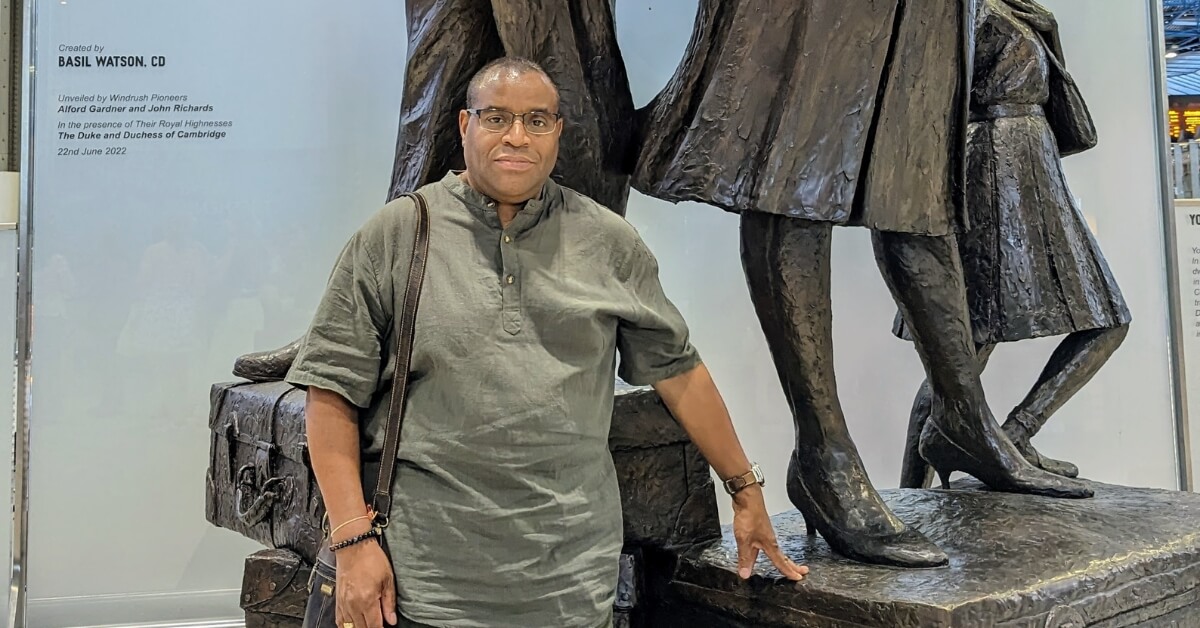
Richard’s impact on the field of early years education goes far beyond his direct work with children. Over the years, his dedication has touched countless families and colleagues. Richard has always been an advocate for men in childcare, seeking to inspire others by demonstrating that men can be compassionate and effective educators. His commitment to the sector earned him recognition, including being part of a team that won the Nursery World Inclusive Practice Award in 2013.
One of Richard’s most notable contributions has been in the realm of Early Years Technology. He created a role as an ICT Coordinator for a large group, where he introduced innovative ways to incorporate technology into the classroom. “Technology is a tool that can support child development but also make it fun through play,” he explains. Richard was also passionate about assistive technology, using it to support children with special educational needs.
A personal story stands out as an example of Richard’s unique approach. One particular child, initially wary of Richard, grew to form a strong bond with him. Through playful interactions – like changing his voice during songs and using a toy animal to make the child laugh—Richard helped the child feel comfortable and secure. By the end of the week, the child was excited to spend time with Richard, showing how his approach to creating trust and connection can transform a child’s experience.
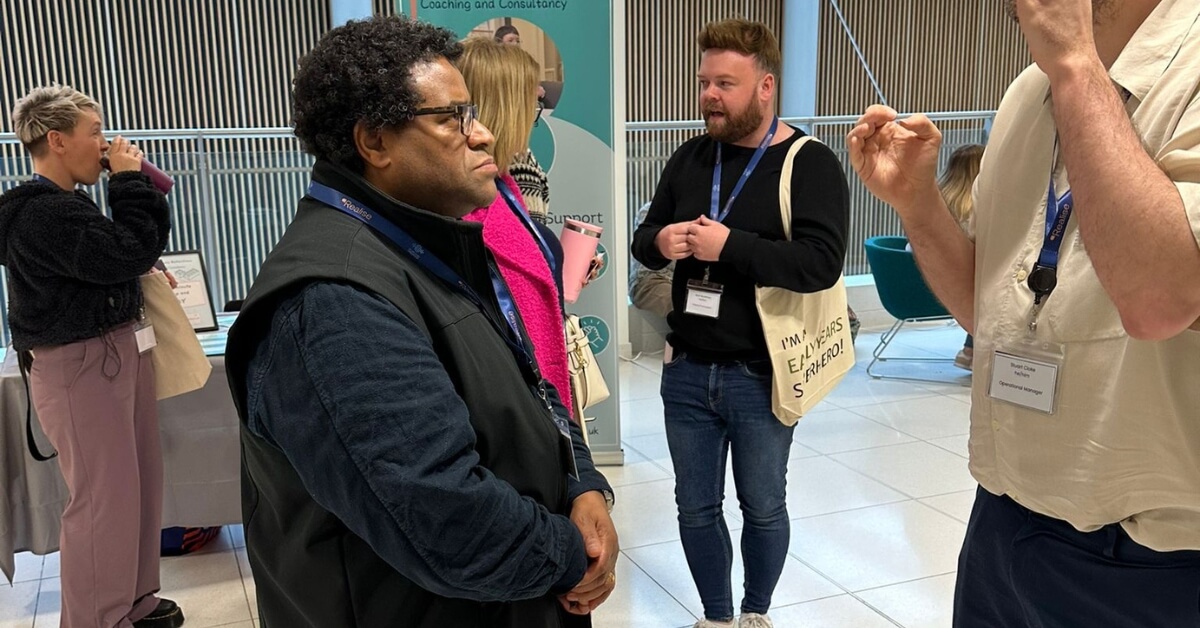
Over the years, Richard has witnessed subtle changes in attitudes towards men in early years education. “If I didn’t meet Claudio, and the amazing work he is doing with Male Childcare Teaching and Jobs (MCTJ), I would have said some subtle changes but not much,” Richard shares, reflecting on how progress has been slow. However, there are positive shifts happening, with more attention being drawn to the importance of male educators, thanks to initiatives like MCTJ and advocates like David Wright.
Despite these improvements, challenges remain. Men in early years still face significant barriers, particularly when it comes to personal care. “The stigma hasn’t gone away,” Richard says, pointing out that some parents remain uncomfortable with men changing nappies or being alone with children. There’s also the issue of pay disparity within the sector, where early years educators, in general, are often underpaid.
Yet, Richard is hopeful about the future. As the work of MCTJ and other male advocates continues, there’s potential for a broader, positive shift that could encourage more men to enter and thrive in the field.

Richard’s advice to men considering a career in early years education is simple but powerful: “What are you waiting for? Do a childcare course, get qualified, and then sign up to a nursery, or go down the apprenticeship route.” He believes hands-on experience is crucial, as it allows men to be part of shaping children’s futures through love and education.
For Richard, the role of male educators goes beyond just teaching; it’s about breaking down gender stereotypes and offering children diverse role models. “We’re positive male role models, especially important for children who may not have male figures at home,” he points out. Additionally, male educators often bring strong enthusiasm for STEAM subjects, helping challenge the gender bias that persists in these fields. Richard encourages aspiring male educators to embrace their unique perspectives, knowing they can make a lasting, positive impact on the children they teach.

Looking ahead, Richard remains passionate about the future of men in early years education. He hopes to continue observing the positive shifts in attitudes towards male educators and to further advocate for the incredible work that Male Childcare Teaching and Jobs (MCTJ) is doing. As a consultant and online trainer, Richard now shares his wealth of experience, focusing on areas such as online safety and the integration of technology in early childhood education.
His vision for the future is clear: Richard believes that embracing technology in early years settings is essential for the digital age. “We are in the digital age, and we need to ensure our children are prepared to live and work in it safely,” he explains. He sees technology as a tool that can enhance child development, supporting learning while making it enjoyable. Richard’s passion for integrating technology in education, alongside traditional teaching methods, will undoubtedly continue to shape the future of early years education.

Richard’s journey in early years education has been marked by overcoming barriers, inspiring others, and making a lasting impact. From navigating the challenges of being a male in a female-dominated field to his innovative work in Early Years Technology, Richard’s contributions have enriched the sector. His advocacy for gender inclusivity and commitment to supporting men in childcare continue to resonate, shaping a more diverse and inclusive future. Richard’s legacy as a trailblazer and mentor in early years education will undoubtedly inspire many generations of educators to come.


