Risky play often raises eyebrows – climbing higher, moving faster, splashing through mud. But in early years, manageable risk isn’t the opposite of safety; it’s how children learn sound judgement. When we offer calibrated challenge with clear boundaries, we see gains in balance, problem-solving, and self-regulation. The EYFS asks us to foster independence, resilience and physical development; a risk-benefit approach helps us do that while meeting safeguarding duties. In this piece, we unpack how to balance protection with purposeful challenge and share practical steps for everyday practice.
We’ve collaborated with Liam Bardwell, an Early Years Business Consultant with 16+ years’ experience, to ground this in lived practice. As he puts it, “Risky play is child-led exploration where children engage with challenge, uncertainty, or manageable risk, learning to assess their own limits while developing resilience, problem-solving, and confidence.” He’s seen that “shielding them from every potential hazard limited their learning.”

Risky play is not thrill-seeking or carelessness – it’s child-led exploration with manageable challenge. In practice, we design spaces and routines that invite graduated challenge, then stay close with calm, responsive supervision. The aim isn’t to remove all risk; it’s to remove hazards and keep the learning rich. In the next section, we’ll unpack the vital difference between risk and hazard – and why it matters.
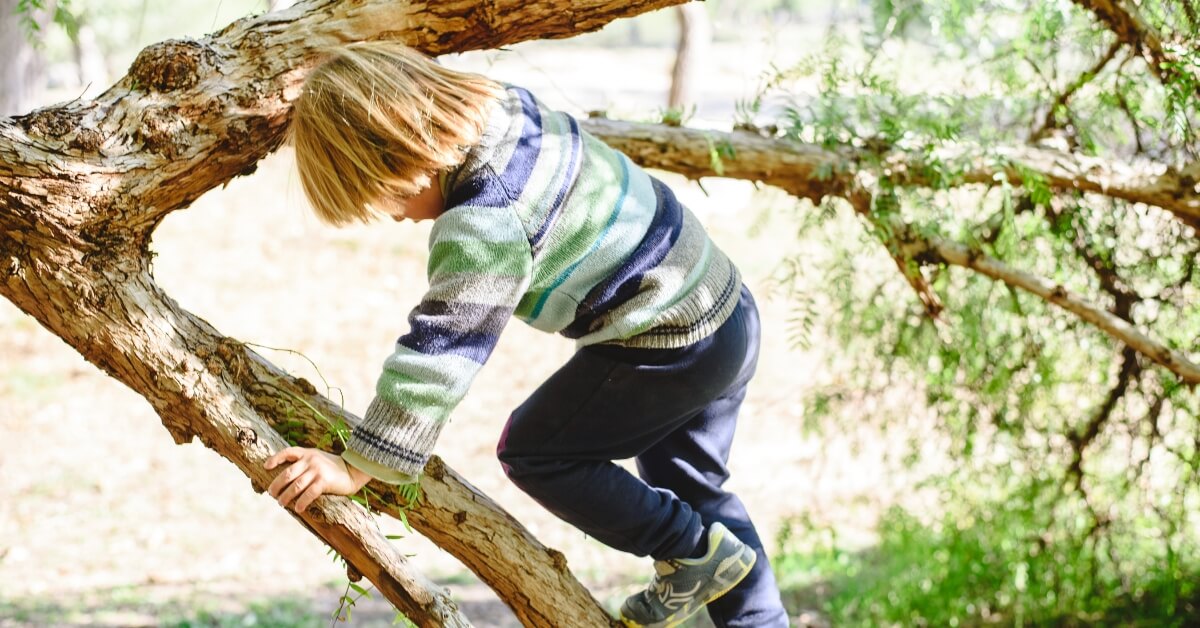
Risky play starts with a clear distinction. As Liam explains, “A hazard is a hidden danger that can cause serious harm… A risk is a challenge children can perceive and navigate themselves, with supervision in place. Risk is meaningful and manageable, whereas hazards are uncontrolled and unsafe.” In practice, we remove hazards (e.g., broken kit, slippery debris) and preserve manageable risk (e.g., low tree climbs, balance beams). Using dynamic risk–benefit thinking, we stay close, adjust support, and keep the learning high while safeguarding stays tight.

Risky play commonly shows up across six areas: heights, speed, tools, natural elements, rough-and-tumble, and exploration. In Liam’s words, “Heights, natural elements, and exploration appear most… Climbing structures or trees teach balance and judgment; interacting with soil, water, or weather encourages curiosity and sensory development; exploration fosters problem-solving and independence.” We keep rough-and-tumble and tool use more selective and well-scaffolded, “depending on age and confidence.”
Practical cues:
Our aim is manageable challenge – not manufactured peril.
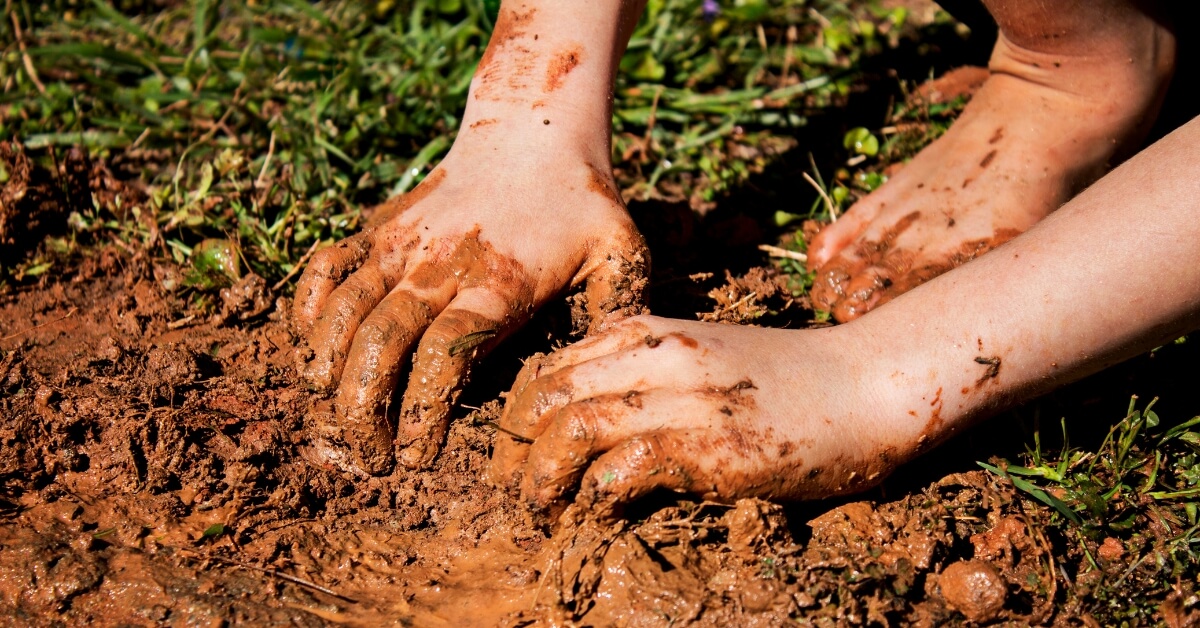
When we enable manageable challenge, we see whole-child growth. Liam sums it up: “Physically, children gain coordination, strength, and spatial awareness. Cognitively, they learn problem-solving, planning, and cause-and-effect reasoning. Social-emotionally, risky play builds resilience, self-regulation, confidence, and empathy.” These are the life skills that, as he puts it, are “much harder to teach later” without real-world practice.
In everyday UK settings, this looks like:
Research from Play England, and authors such as David Ball and Penny Wilson supports this balance: remove hazards, keep meaningful risk, and children’s judgement and confidence grow.

Effective supervision is attentive presence, not constant correction. As Liam explains, “I constantly observe children and adjust supervision, equipment, or guidance as needed… I quickly weigh the benefits of learning against potential harm, then step in only if necessary.” We stay close, position ourselves well, and coach judgement with light-touch prompts – “Do you think that’s stable?” or “What’s your plan to get down?” Dynamic risk–benefit thinking helps us remove hazards while preserving meaningful challenge. The result is calm, confident practice: children feel supported – not controlled – and we maintain safeguarding without closing down rich learning.
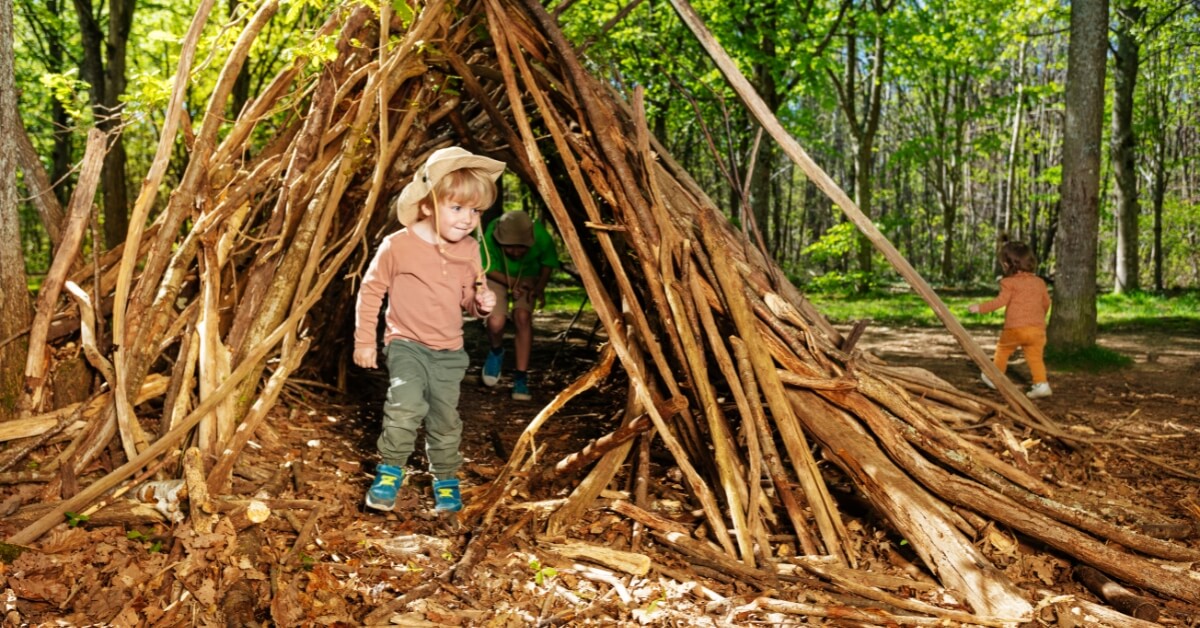
Provision should invite choice at different confidence levels. As Liam notes, “Outdoor areas include climbing structures, balance beams, sand/water zones, loose parts, and natural features like logs or slopes. Indoors, we provide low-level climbing, soft-fall surfaces, and safe tool-based activities.” We keep hazards out, but keep meaningful challenge in, so children can test ideas safely.
Here are some graduated examples from Liam:
Small tweaks like these create steady, visible progress without overwhelming children – or adults.

Risky play must be accessible to every child. As Liam says, “I adjust the environment, pace, and support: wider ramps, sensory-friendly materials, or a buddy system. Children may engage at their own comfort level while still experiencing challenge and achievement.” We also keep an eye on participation patterns across genders: “I provide diverse role models, avoid gendered language, and notice who is hesitant – then encourage without pressure.” The goal is equitable opportunity for manageable challenge, with adaptations that keep dignity, agency, and safety front and centre.
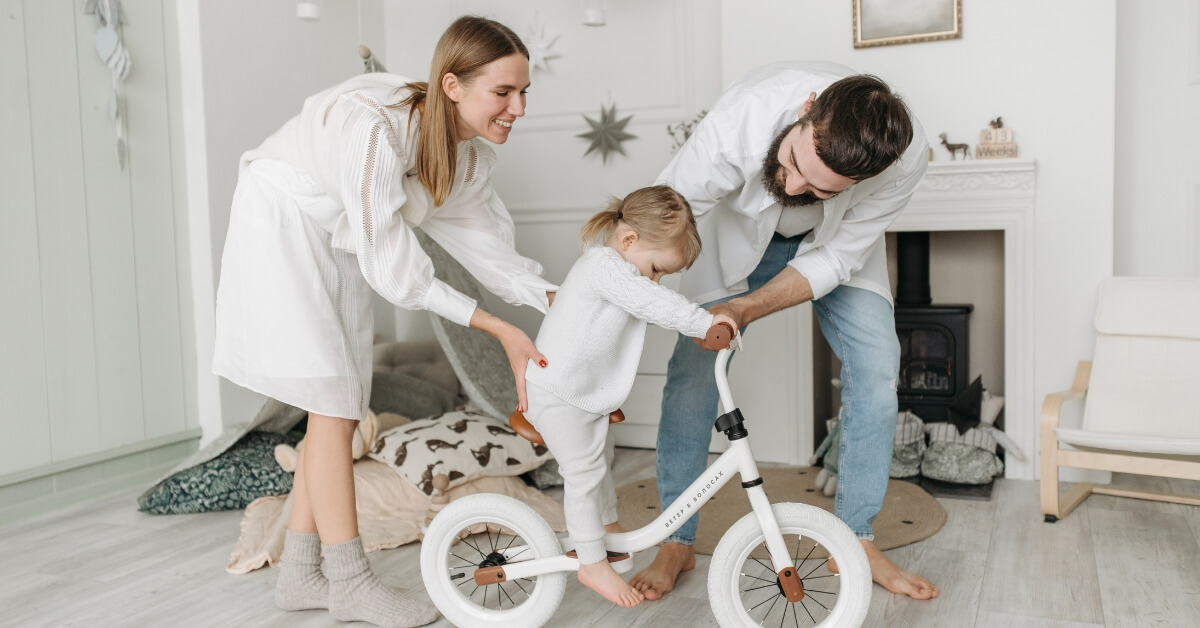
Concerns are natural – especially about safety. As Liam notes, “Safety is the most common concern. I share our risk-benefit approach, supervision practices, and evidence that manageable risk builds independence and resilience. Open communication and sharing successes helps build trust.” We keep messages simple and visual: “Photos of children actively engaged, short case studies, clear risk/benefit explanations, and simple policy statements emphasising safe challenge have been very effective.” Regular updates help everyone see progress and feel confident. These are shared via Liam’s newsletter, which you can sign up for here.

We ground risky play in statutory expectations. As Liam puts it, “We tie activities to EYFS outcomes like Physical Development, Personal, Social and Emotional Development, and Understanding the World. Dynamic risk assessments and clear safeguarding procedures ensure compliance while allowing challenge.”

Liam recalls, “A timid 4-year-old struggled with climbing. Gradually, with encouragement and low-risk challenges, she climbed the tallest structure independently within weeks, gaining confidence and becoming a role model for peers.” This is the arc we aim for: steady, supported progression. Small, manageable steps – plus calm supervision – build judgement, courage and a sense of “I can do this.”
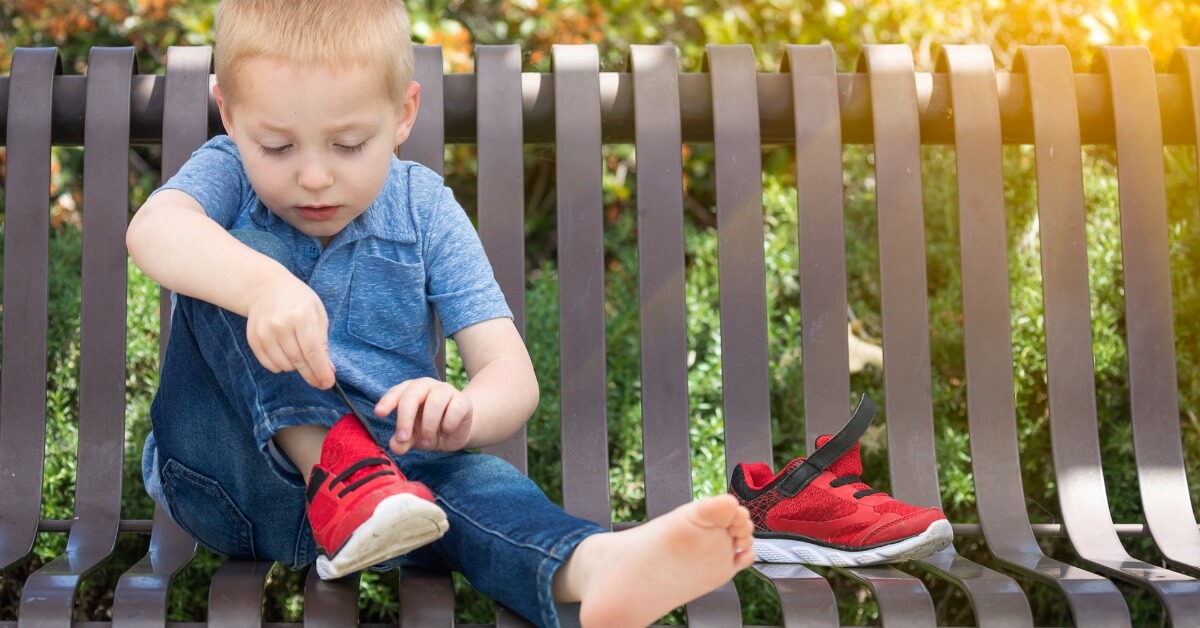
We learn as we go. Liam shares, “A child lost their footing on a low structure on a damp morning… it prompted us to review how weather affects play surfaces.” We added surface checks, footwear reminders and tighter weather-aware supervision. It reinforced constant observation of both environment and each child’s readiness.

If we’re early in this journey, Liam suggests three first moves:
Keep it simple: pick one area (e.g., low balances) and build a short progression, with photos and notes to share at pick-up or in newsletters. Review weekly: what felt right, what needs tweaking?
Here are some common pitfalls to avoid shared by Liam:
Liam recommends starting with clear, practice-focused guides:

Our shared goal echoes Liam’s vision: “Every child engages daily in meaningful challenge… staff are confident… parents trust our approach.” This week, let’s implement one small step – say, a simple graduated balance line – and review together. After all, “Children learn to soar when we let them safely take the leap.”