We are thrilled to present a thought-provoking guest article by Simon Airey, a passionate advocate for inclusive childhood development and education. In his piece, Simon delves into the multifaceted role of play in fostering cognitive, social, and emotional growth in children. He highlights the importance of imaginative play, understanding and supporting neurodivergent play behaviours, challenging gender norms, and the crucial role male caregivers and educators play in nurturing diverse play experiences. Join us in exploring how play can be a powerful tool for inclusive and holistic childhood development.

Play is an essential aspect of childhood development, serving as a vehicle for exploration, creativity, and learning. Children engage in various forms of play, each contributing uniquely to their cognitive, social, and emotional growth. Imaginative play, where children create worlds and scenarios using their imagination, fosters creativity, problem-solving skills, and language development.
Whether they’re pretending to be superheroes, doctors, or exploring fantastical worlds, imaginative play allows children to explore different roles and scenarios, expanding their understanding of the world around them. Men can significantly enhance this type of play by participating actively, showing children that creativity and imagination are valuable for everyone, regardless of gender.

Challenging the neurotypical norm that children progress through specific stages of play is essential for fostering a more inclusive understanding of childhood development. Neurodivergent children often engage in unique forms of play that may not fit neatly into traditional developmental stages. For example, lining up toys in a precise order, engaging in repetitive play, or focusing intensely on sensory experiences are common among neurodivergent children.
These play behaviours, while different from typical patterns, are deeply meaningful and beneficial for the children who engage in them. Recognising and valuing these forms of play is crucial, as they provide neurodivergent children with opportunities to explore, learn, and develop in ways that are natural and enjoyable for them. Men who support and engage in these forms of play help normalise them and show children that all play is valuable.

While play is beneficial for all children, it is particularly important to tailor play experiences to meet the needs of neurodivergent children. Neurodivergent children, including those with dyspraxia, epilepsy, and sensory processing differences, may face unique challenges in engaging with play. Sensory-friendly environments, incorporating visual supports, and providing structured routines can help create a more inclusive play environment for neurodivergent children.
For instance, a child with sensory sensitivities might thrive in a play area with soft lighting and minimal noise, while a child with ADHD might benefit from play that incorporates physical activity and clear, consistent rules. By understanding their individual strengths and challenges, educators and caregivers, including male caregivers, can adapt play experiences to support their development and foster inclusion.

Despite the benefits of play, the current educational system often prioritises academic achievement over holistic development. As a result, play-based learning opportunities may be limited, particularly in formal educational settings.
However, integrating play-based learning into curriculum standards, providing professional development for educators on inclusive play practices, and allocating resources for diverse play materials and environments can help create more inclusive learning experiences. By recognising the importance of play in promoting social, emotional, and cognitive development, educators can create enriching environments where children can learn through exploration, experimentation, and discovery.
Male educators and caregivers can advocate for and implement play-based learning, demonstrating its importance in holistic development.
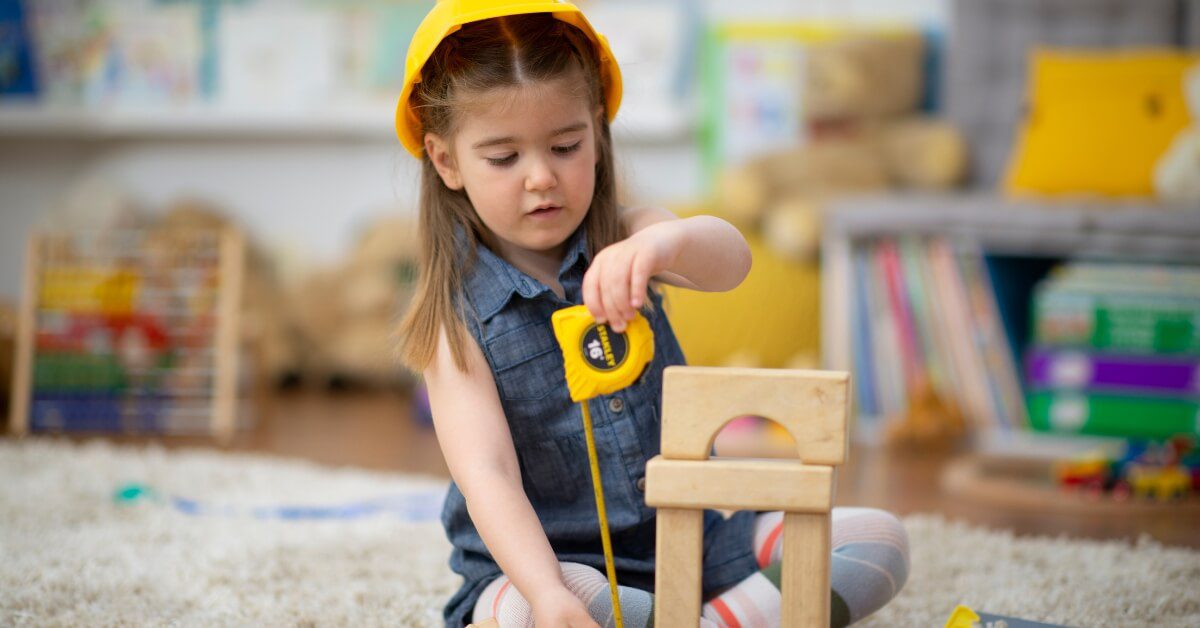
Gender norms also play a significant role in shaping children’s play experiences. Traditional stereotypes about gender roles can influence the types of play activities that children are encouraged to engage in. Boys are often encouraged to participate in more active and competitive play, such as sports and rough-and-tumble activities, while girls may be directed towards quieter, nurturing activities, such as playing with dolls or engaging in imaginative play.
These gendered expectations can limit children’s opportunities for exploration and self-expression and reinforce stereotypes about gender roles. Practitioners can provide an environment that celebrates diversity by having photos of diverse family structures, incorporating a variety of books that reflect diverse families, cultures, and abilities, and offering a wide range of toys and activities that challenge traditional gender roles and encourage all children to explore their interests freely.

Encouraging inclusive play experiences that challenge traditional gender norms can help broaden children’s perspectives and foster greater acceptance of diversity. By providing a wide range of play materials and opportunities, educators can create environments where children feel free to explore their interests and express themselves authentically, regardless of gender.
Men can play a vital role in this process by actively participating in and encouraging diverse forms of play. When fathers, male teachers, and male caregivers engage in activities traditionally seen as feminine, such as playing house, cooking in a toy kitchen, or participating in crafts, they model behaviour that breaks down gender stereotypes. Their involvement sends a powerful message to children that all types of play are valuable and acceptable for everyone.

In diverse and inclusive settings, play has been effectively used to enhance learning experiences in various ways. Games that teach skills such as turn-taking, sharing, and cooperation promote inclusion and empathy among peers. Sensory activities, such as playing with sand, water, or textured materials, can support children with sensory processing differences in regulating their sensory experiences. Cooperative learning games, where children work together to solve problems or complete tasks, foster collaboration, teamwork, and problem-solving skills.

By embracing diverse play experiences, educators can create enriching environments where every child has the opportunity to learn, grow, and thrive. Whether it’s through imaginative play, physical activity, constructive exploration, or social interaction, play provides a foundation for lifelong learning and development.
In a classroom where play is valued, children are more likely to feel confident, engaged, and motivated to learn. Male educators and caregivers can significantly influence this environment by actively participating in and supporting various play activities, demonstrating that play is an essential part of life for everyone.
In a previous setting, I provided a specific forum for male caregivers to chat and discuss how they are feeling and provide advice on playing with their children.

Play needs to be open-ended and built upon the children’s interests in order for it to be meaningful. It also needs to be not “set up” by the adults. Consider the time it takes an adult to set up a beautifully presented tuff tray with carefully positioned resources and instructions for specific activities, such as counting or arranging items. Within minutes, the children will have redesigned it according to their own vision, which should be accepted as the true version of play.
By providing validation for what the children do with the resources, we promote genuine play rather than setting up opportunities for children to achieve predefined goals. Observing children’s interests and enhancing them with additional materials will result in better engagement and motivation. Men who engage in this type of open-ended play help children see that creativity and self-directed exploration are valuable and respected by all adults, regardless of gender.

Simon Airey’s exploration of the importance of play in childhood development underscores the need for inclusive, imaginative, and diverse play experiences. By understanding and supporting the unique ways children engage with play, we can foster environments that promote their cognitive, social, and emotional growth. As educators, caregivers, and parents, it’s essential to advocate for play-based learning and challenge traditional gender norms to create a more inclusive world for our children.
We invite you to reflect on the insights shared by Simon and consider how you can incorporate these ideas into your interactions with children. If you found this article helpful, please share it with others who might benefit from these valuable perspectives. For more articles and resources on child development, visit our useful blog section on our website. Together, let’s champion the power of play in nurturing the next generation.