When we think about raising children, many of us focus on providing, protecting, and being present. But understanding how children actually develop in those first five years can transform the way we parent. As David Wright reminds us, “Children’s development starts in the womb. From prenatal to age 3 years is a uniquely consequential period during which a significant proportion of the brain’s fundamental architecture is laid down at an estimated rate of up to one million links per second between brain cells.”
That’s huge. And yet, many dads aren’t told just how vital their role is in this process. This article is about breaking that silence, building confidence, and showing fathers the difference they make at every stage.

As fathers, it’s easy to underestimate just how much of our child’s growth happens in the earliest years. We might think of development as something that takes shape later in school, but in reality, the foundations are built much earlier.
David reminds us that if we don’t understand this, “we could be unaware of the importance of our role and miss the opportunity to be a key influence on our child’s development during this vital time. We will also be ignorant of what to expect and what to do to support our child.”
When we know what to expect, and why it matters, we can be more confident in everyday parenting decisions – whether that’s holding our newborn close, responding to their cries, or playing peek-a-boo.
The truth is, understanding development isn’t about adding pressure. It’s about giving us reassurance that the small things we do every day really count.

We often talk about “the early years” as if they’re one big block of time. In reality, each stage brings its own joys, challenges, and surprises. For many fathers, the most daunting stage is right at the start: caring for a newborn.
As David notes, “Because they are so vulnerable, the prospect of handling them properly can be daunting, but familiarity very quickly builds confidence in doing so with your own child.” It doesn’t take long before holding, feeding, and soothing become second nature.
Later, as children start talking, many dads find it easier to connect. A toddler’s first words or a preschooler’s curious questions can open up a whole new way of relating. Yet even before speech, we learn to understand our babies through their expressions, gestures, and routines.
What often surprises fathers is how quickly relationships deepen, and how rewarding it feels to see our children respond to the care and attention we give them – even in those earliest, wordless months.
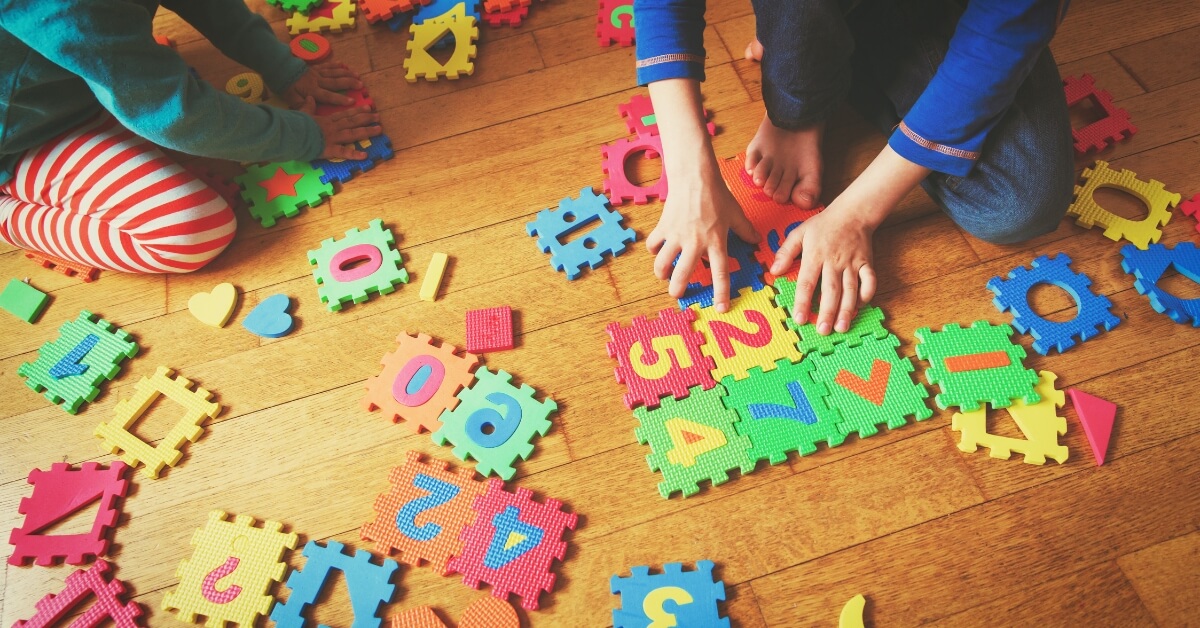
When we think about learning, it’s tempting to picture classrooms, books, and pencils. But in the early years, learning looks very different. It’s active, hands-on, and full of curiosity.
As David Wright explains, children learn by playing and exploring, showing a natural curiosity to discover new things. Every experience is fresh for a newborn, and we get the privilege of sharing their delight and amazement as they encounter the world for the first time.
They also thrive through hands-on, active learning. Whether it’s reaching for a toy, tasting new foods, or experimenting with movement, children express joy, wonder, and persistence. It’s incredible to watch how quickly their ability to focus and concentrate develops.
Another part of learning is making connections and developing ideas. Babies are surprisingly capable – their brains are constantly building “working models” that help them interpret their surroundings. Alongside their moments of joy, we also see them express frustrations, which are equally important for learning resilience.
Relationships play a central role, too. While babies are born egocentric, focused on their own needs, they are also wired for connection. It’s through our presence as fathers that they learn to engage with others – a foundation for healthy development.
Finally, every milestone we celebrate – from smiling, gurgling, and crawling to walking, talking, and toilet training – is part of a journey towards independence and choice. Each step marks a child’s growing ability to navigate their world, with us there to guide, encourage, and cheer them on.
For us as fathers, this framework reminds us that learning happens everywhere. A walk in the park, a game of hide and seek, or fixing something at home can all nurture persistence, problem-solving, and curiosity.
As David highlights, “None of these points mention sitting down with a worksheet and a pencil… From birth, young children start to learn and develop through active exploration and engagement with their environment.” Our role as carers and play partners is more powerful than we often realise.

Some of the most powerful ways we support our children’s development happen in the simplest moments of play. Take a set of stacking cups – an everyday toy that can teach more than we might imagine.
As David explains, “There is so much the baby learns from exploring the cups, about their shape, feel, appearance, colour, sound… The child learns how to pick up and manipulate objects; how to coordinate hand, fingers and eye to solve this problem, to keep going and try again when it is difficult.”
By guiding their hands, naming colours, counting, and encouraging them when the tower wobbles, we’re helping our children build persistence, problem-solving, and confidence. And of course, there’s the joy of knocking it all down and starting again together.
These everyday interactions remind us that play isn’t just fun – it’s the foundation of learning.

Every child develops at their own pace, yet as fathers we often feel pressure to compare. Is our child talking soon enough? Why isn’t toilet training happening yet? These worries are normal, but they can also leave us second-guessing ourselves.
David shares a helpful perspective from psychologist Alison Gopnik in The Gardener and the Carpenter. The “carpenter” parent works to a fixed plan, shaping the child into a specific outcome. The “gardener” instead creates a nurturing environment, allowing the child to grow into who they are meant to be.
As David puts it, “Children respond best in an enabling environment with the best nurture we can give them. Their growth will surprise and delight us if we allow them to develop naturally with no expectation of the outcome.”
This doesn’t mean ignoring challenges like tantrums, speech delays, or late toilet training. It means approaching them with patience, humour, and confidence – seeking support when needed, but remembering that we are the experts in our own child.
By shifting from panic to perspective, we free ourselves to enjoy the journey – and our children feel that security too.

Knowing where to turn for guidance can make all the difference. Thankfully, there are some excellent resources available to help us understand and track our children’s development.
David recommends CBeebies Parenting, which offers short, practical video clips packed with real-life examples. For early brain development, the Centre for Early Childhood’s Explainer Series (CFEC) provides clear insights into how young minds grow.
He also encourages fathers to read Alison Gopnik’s The Gardener and the Carpenter, a brilliant exploration of different parenting approaches. And for a concise overview of why our role matters, see Why Do Fathers Play a Crucial Role in Child Development?
Beyond resources, peer support matters too. Our mentoring group is here to provide reassurance, shared experiences, and encouragement for every step of the journey.

The first five years are full of milestones, surprises, and challenges – but they’re also filled with opportunities for us as fathers to make a lasting impact. By understanding child development, we gain not only clarity but also reassurance that the care, play, and presence we bring every day truly matters.
As David reminds us, “You are the expert in your child.” Let’s embrace that confidence, enjoy the journey, and keep supporting one another along the way.