
In a sector where men make up just 3% of the workforce, it’s easy to underestimate how isolating that can feel. Many male educators love their jobs but often find themselves navigating experiences their colleagues don’t fully relate to – from awkward assumptions during nappy changes to being the only man in the staffroom.
That’s where mentoring comes in. Having someone who understands your journey, your doubts, and your purpose can be transformative. It’s not about privilege or separation; it’s about connection and belonging.
Same-gender mentoring gives men in early years a space to reflect openly, share strategies, and remind each other why they chose this path in the first place – and why their presence in the sector matters more than ever.

When we talk about same-gender mentoring, we’re referring to men supporting other men through shared experience, empathy, and understanding. It’s not about exclusion or creating separate groups – it’s about creating a safe and relatable space for reflection and growth.
For many male educators, especially those new to early years, speaking openly about uncertainty, safeguarding worries, or emotional fatigue can feel risky in mixed spaces. A same-gender mentor offers reassurance and perspective that comes from lived experience.
This kind of mentoring builds trust, confidence, and professional identity. It helps men see that they’re not alone in navigating challenges – and that there’s a community of colleagues who have walked the same path and want to help them stay, grow, and lead within the profession.

For men working in early years, the rewards are huge – but so are the challenges. Many describe feeling isolated, under scrutiny, or unsure how to navigate assumptions that simply don’t exist for their female colleagues. Something as small as a parent double-checking who’s changing their child’s nappy can quietly chip away at confidence. Others struggle with a lack of male peers to share experiences with, or feel pressure to represent all men in the setting.
Without visible role models or supportive networks, it’s easy for men to feel like outsiders. Some leave the profession within their first few years, not because they didn’t love the work, but because the emotional weight of “proving themselves” became too heavy to carry alone.
Mentoring offers a lifeline here. It reminds men that their experiences are valid, that these challenges aren’t personal failings, and that together we can rewrite the narrative about what it means to be a man in early years education.
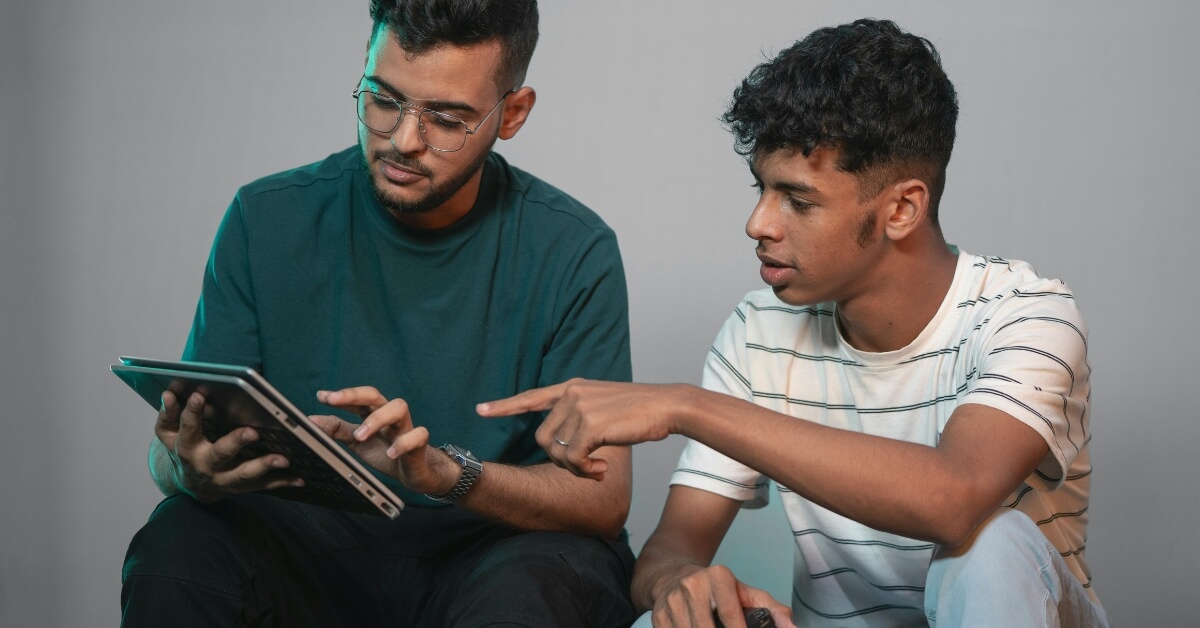
Mentoring works because it’s built on connection, trust, and understanding – and when those things are shared through lived experience, their impact deepens. For men in early years, same-gender mentoring creates a sense of belonging that many have never experienced in their professional lives.
When a male educator can speak openly to another man about safeguarding worries, how to handle comments from parents, or simply how it feels to be the only man in the team, something powerful happens – the sense of isolation begins to dissolve.
Research into same-gender mentoring across the early years education sector consistently shows that same-gender pairings increase confidence, job satisfaction, and retention, especially when addressing underrepresented groups. Male mentors also model positive masculinity: empathy, patience, and care expressed without embarrassment or fear of judgment.
At its best, mentoring isn’t just about sharing advice. It’s about saying, “You belong here – and your journey matters.” When men hear that from someone who’s lived it, they not only stay longer in the sector, they thrive within it.
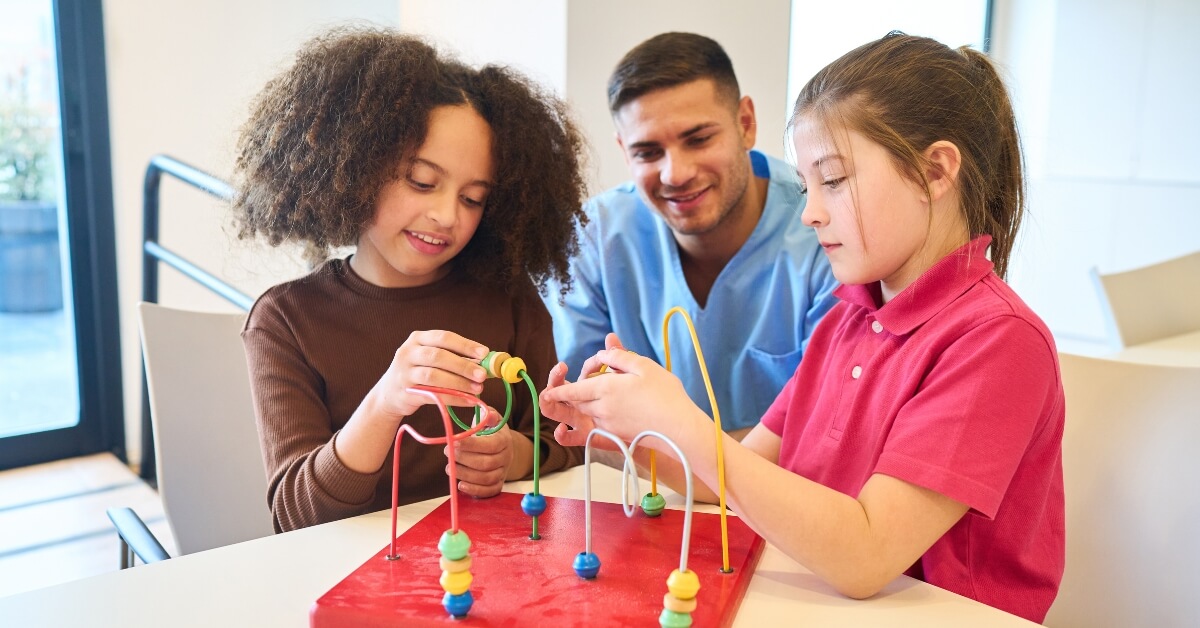
When men feel supported and confident in their roles, the benefits reach far beyond the individual. Children notice when their educators feel valued, calm, and connected – and they respond to it. A confident male practitioner models care, patience, and emotional intelligence in a way that challenges outdated ideas about what men can or can’t do.
The presence of supported male educators also has a ripple effect on team culture. It helps normalise gender diversity, giving colleagues a wider range of perspectives and strengths to learn from. Parents, too, begin to see that men belong in these spaces – not as exceptions, but as part of a balanced and nurturing workforce.
Through mentoring, men are not only supported to stay in the sector; they become advocates for inclusion, helping to build a culture where every child grows up seeing care and empathy as human qualities – not gendered ones.

One of the biggest misconceptions about same-gender mentoring is that it’s exclusive or divisive. In reality, it’s the opposite – it’s an inclusive strategy that helps level the playing field. When men feel supported and confident, they contribute more fully to their teams, bringing ideas and perspectives that benefit everyone.
Another misconception is that men don’t need mentoring, or that gender shouldn’t matter in professional support. But the truth is, men in early years face unique challenges – from navigating stereotypes to being underrepresented in training spaces. Ignoring that reality doesn’t make it go away.
Same-gender mentoring isn’t about separating men from the rest of the team; it’s about providing the tailored support they need to stay and succeed. When men are empowered through mentoring, the entire setting becomes more reflective, empathetic, and open – and that’s inclusion in action.

Creating a same-gender mentoring programme for men in early years doesn’t have to be complicated. What matters most is consistency, trust, and purpose. It starts with recognising that mentoring is not a luxury – it’s an essential part of workforce wellbeing and retention.
Here are a few steps that have worked well in our community:
At Male Childcare & Teaching Jobs, our same-gender mentoring calls have shown time and again that when men feel supported, they stay in the profession, grow into leadership, and pay that support forward to others.

If we want more men to join and remain in early years education, mentoring can’t be left to chance – it needs to be part of how we nurture, train, and retain talent. Leaders set the tone for inclusion, and creating space for same-gender mentoring is one of the simplest yet most powerful steps you can take.
Our mentoring programmes connect male educators at all stages of their journey with experienced mentors who understand their challenges and aspirations. Join us – and help make early years a place where everyone belongs, thrives, and stays.

