Working in a primary school in the UK can be an immensely rewarding and fulfilling career, but it’s not without its challenges. From juggling lesson plans and classroom management to building positive relationships with colleagues, students, and parents, the role of a primary school teacher or staff member is multifaceted and complex.
Whether you’re considering a career in primary education or simply curious about what goes on behind the scenes, this comprehensive guide will provide you with a detailed look at the realities of working in a primary school in the UK.
We’ll explore the unique atmosphere of a primary school, the roles and responsibilities of staff members, and the challenges and rewards that come with working with young children. By the end of this guide, you’ll have a better understanding of what it takes to succeed in this dynamic and vital profession.
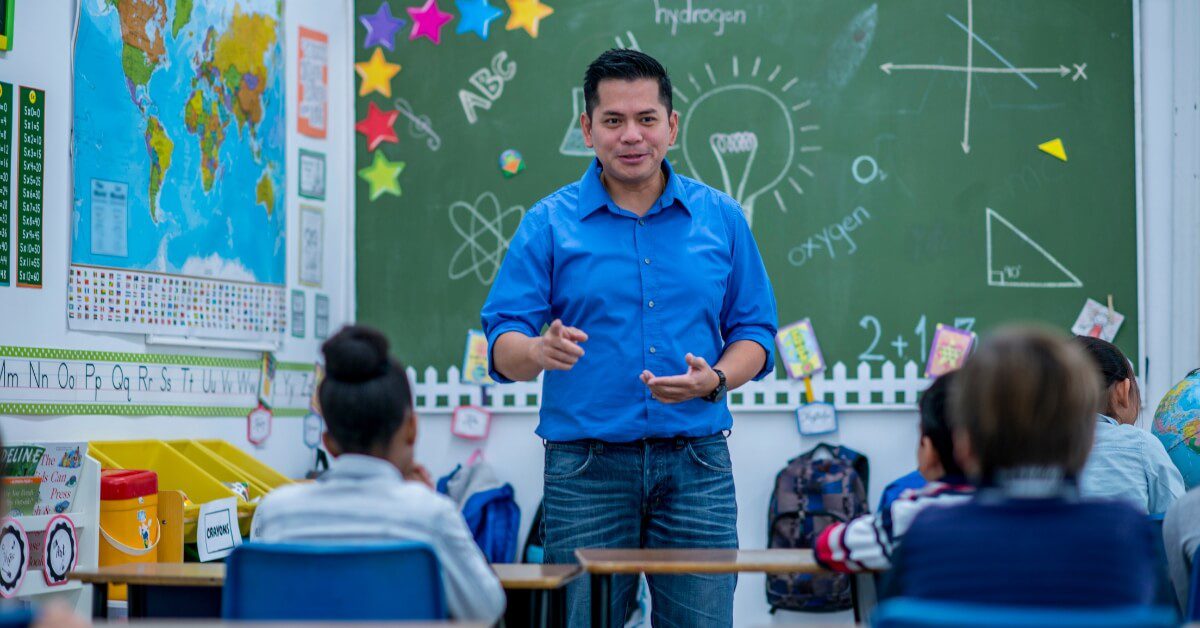
What are the responsibilities of a primary teacher in the UK?
First, it’s important to understand what it’s like to work in a primary school in the UK. As a primary teacher, you’ll have a lot of responsibilities that go beyond teaching lessons. Here are some of the key responsibilities you can expect to have:
- Planning and delivering lessons: As a primary teacher, you’ll be responsible for planning and delivering lessons to your class. You’ll need to design lessons that are engaging, educational, and appropriate for the age group you’re teaching. You’ll also need to keep track of your students’ progress and adjust your teaching methods as needed.
- Assessing student progress: You’ll be responsible for assessing your students’ progress and providing feedback to them and their parents. This may involve marking homework and tests, setting targets for improvement, and providing individualised support for struggling students.
- Managing behaviour: In addition to teaching lessons, you’ll need to manage your students’ behaviour in the classroom. This may involve setting rules and consequences, dealing with disruptive students, and providing support to students who are struggling with behavioural issues.
- Communicating with parents and colleagues: You’ll need to communicate regularly with parents and colleagues to keep them informed about your students’ progress and any issues that arise. You may also need to attend meetings and conferences to discuss your students’ needs and plan interventions.
- Organising extracurricular activities: As a primary teacher, you may be responsible for organising extracurricular activities such as sports teams, drama productions, and school trips. This can be a great way to engage your students and build a sense of community within your school.
- Continuing professional development (CPD): To be an effective primary teacher, you’ll need to keep up to date with the latest teaching methods and educational trends. This may involve attending training courses, conferences, and workshops, and participating in professional organisations.

What are the Key Stages and their age groups in primary schools in the UK?
In the UK, primary education is typically divided into four Key Stages, each with a corresponding age group:
- Foundation Stage: Age 4-5 (Reception Year)
- Key Stage 1: Age 5-7 (Years 1-2)
- Key Stage 2: Age 7-11 (Years 3-6)
The curriculum and teaching methods in each Key Stage are designed to be developmentally appropriate for the age group and to build on the skills and knowledge acquired in previous Key Stages. Here is a brief introduction to each Key Stage:
- Foundation Stage: This is the first stage of primary education, which is focused on play-based learning and developing social, emotional, physical, and cognitive skills. Children in this stage are typically aged 4-5 years and are in Reception class. The Foundation Stage curriculum covers a range of areas, including communication and language, literacy, mathematics, understanding the world, expressive arts and design, and personal, social, and emotional development.
- Key Stage 1: This is the second stage of primary education, which builds on the skills and knowledge developed in the Foundation Stage. Children in this stage are typically aged 5-7 years and are in Years 1 and 2. The Key Stage 1 curriculum focuses on core subjects such as English, mathematics, and science, as well as other subjects such as art and design, computing, design and technology, geography, history, and physical education.
- Key Stage 2: This is the third and final stage of primary education, which prepares children for the transition to secondary school. Children in this stage are typically aged 7-11 years and are in Years 3-6. The Key Stage 2 curriculum builds on the subjects and skills developed in Key Stage 1 and places more emphasis on academic subjects such as English, mathematics, science, and history. Other subjects such as art and design, computing, design and technology, geography, and physical education are also covered.

What subjects do students learn in primary schools in the UK?
It’s essential to understand the areas of learning that are covered in primary education. Primary schools in the UK focus on a broad and balanced curriculum that covers a range of subjects. Here are the main areas of learning that you can expect to teach:
-
- English: English is a core subject in primary education, and encompasses reading, writing, and spoken language. You’ll be responsible for teaching your students how to read, write, and communicate effectively.
- Mathematics: Mathematics is another core subject in primary education, and covers topics such as arithmetic, geometry, and algebra. You’ll be responsible for teaching your students how to solve problems and think logically.
- Science: Science is a core subject that covers topics such as biology, chemistry, and physics. You’ll be responsible for teaching your students how to explore the natural world and understand scientific concepts.
- Computing: Computing is a relatively new subject in primary education, and covers topics such as programming, algorithms, and data analysis. You’ll be responsible for teaching your students how to use technology effectively and safely.
- History: History is a foundation subject that covers topics such as ancient civilizations, world wars, and British history. You’ll be responsible for teaching your students about the past and helping them understand how it has shaped the world we live in today.
- Geography: Geography is another foundation subject that covers topics such as maps, weather, and natural resources. You’ll be responsible for teaching your students about the world around them and how human activity has impacted it.
- Art and Design: Art and Design is a supplementary subject that covers topics such as drawing, painting, and sculpture. You’ll be responsible for teaching your students how to express themselves creatively and develop their artistic skills.
- Music: Music is a foundation subject that covers topics such as singing, playing instruments, and composition. You’ll be responsible for teaching your students how to appreciate and create music.
- Physical Education (PE): PE is a subject that covers topics such as sports, games, and physical fitness. You’ll be responsible for teaching your students how to lead an active and healthy lifestyle.
- Religious Education (RE): RE is a foundation subject that covers various religious beliefs, practices, and traditions from around the world. You’ll be responsible for teaching your students about different faiths and promoting understanding, tolerance, and respect for diverse beliefs.
- Design and Technology (D&T): D&T is a subject that covers topics such as engineering, product design, and textiles. You’ll be responsible for teaching your students how to use creativity and problem-solving skills to design, create, and evaluate products and systems.
- Foreign Modern Languages: Foreign Modern Languages is a foundation subject that introduces students to languages other than English, such as French, Spanish, or German. You’ll be responsible for teaching your students basic communication skills in a chosen language, fostering an appreciation for different cultures, and developing their linguistic abilities.
- Personal, Social, Health, and Economic Education (PSHE): PSHE is a subject that covers topics related to personal well-being, social skills, and understanding of the wider world. You’ll be responsible for teaching your students how to build healthy relationships, make informed decisions, and develop self-awareness and empathy for others.

What skills do I need to be a great Primary Teacher?
Becoming a primary teacher in the UK requires a combination of knowledge, skills, and personal qualities. It’s a challenging yet rewarding career that requires a variety of skills to make a positive impact on young students’ lives. Here are some of the essential skills that make a great primary teacher:
- Communication skills: A primary teacher should have excellent communication skills to effectively convey information to their students, colleagues, and parents. The ability to listen, explain concepts, and provide feedback is crucial.
- Organisation and planning: A great primary teacher should be organised and able to manage their time well to plan lessons and activities, meet deadlines, and stay on top of administrative tasks.
- Creativity: A good primary teacher should be creative in finding ways to make learning fun and engaging for students, through the use of interactive activities, games, and visual aids.
- Patience and empathy: Working with children requires a lot of patience and understanding. Great primary teachers should be able to put themselves in their students’ shoes and adapt to their unique needs and learning styles.
- Flexibility: Classroom situations can be unpredictable, so a primary teacher should be flexible and adaptable to handle unexpected challenges.
- Subject knowledge: A primary teacher should have a solid understanding of the primary school curriculum and subject areas they teach to provide their students with accurate and engaging instruction.
- Technology skills: In today’s digital age, primary teachers should be able to use technology to enhance their teaching, including using educational software and incorporating online resources into lessons.
- Teamwork: A great primary teacher should be able to work collaboratively with colleagues, parents, and other professionals to support their students’ development and achieve positive outcomes.
By possessing these skills and qualities, primary teachers can make a meaningful difference in their students’ lives, laying a strong foundation for their future learning and success.

What are the legal requirements set in primary schools in the UK?
If you’re considering becoming a primary teacher, it’s important to understand the legal requirements that govern the operation of primary schools in the UK. These requirements are in place to ensure that schools provide a safe and effective learning environment for children. Here are some of the main legal requirements you can expect to encounter:
- Safeguarding: Primary schools in the UK are required to have policies and procedures in place to safeguard children from harm. This includes protecting children from abuse, neglect, and other forms of harm. You’ll be required to undergo background checks and receive training in safeguarding before starting work in a primary school.
- Health and Safety: Primary schools in the UK are required to provide a safe and healthy learning environment for children. This includes ensuring that classrooms and equipment are safe, and that staff and students are trained in emergency procedures such as fire drills.
- Curriculum: Primary schools in the UK are required to provide a broad and balanced curriculum that covers a range of subjects. You’ll be expected to deliver lessons that are appropriate for the age and abilities of your students, and to monitor their progress and provide feedback to parents and colleagues.
- Special Educational Needs and Disabilities (SEND): Primary schools in the UK are required to provide support for students with SEND. This includes identifying students who may have SEND, providing appropriate support and accommodations, and working with parents and outside agencies to ensure that students receive the support they need.
- Data Protection: Primary schools in the UK are required to comply with data protection laws. This includes ensuring that personal data is processed lawfully and fairly, and that appropriate measures are in place to protect personal data from unauthorised access or disclosure.
- Equality and Diversity: Primary schools in the UK are required to promote equality and diversity. This includes treating all students and staff fairly and with respect, and providing accommodations and support for students and staff from diverse backgrounds.
Overall, working in a primary school in the UK requires compliance with a range of legal requirements. These requirements are in place to ensure that children receive a safe and effective learning environment. If you’re passionate about education and enjoy working with children, this could be the perfect career for you.

Which qualifications and training do I need to work in primary schools in the UK?
Working in a primary school in the UK is a rewarding and challenging career path that requires specific qualifications and training. Whether you’re interested in becoming a school teacher, teaching assistant, or a special educational needs coordinator (SENCO), there are various requirements and training options available to help you get started. In this section, we’ll explore the qualifications and training requirements to work in primary schools in the UK, which include:
- Teaching qualification
- Continuing professional development (CPD)
- Safeguarding training
- First aid training
Teaching Qualification
To work as a primary school teacher in the UK, you will need to have a teaching qualification that is recognized by the UK government.
The most common teaching qualification for primary school teachers in the UK is a Bachelor of Education (BEd) degree with Qualified Teacher Status (QTS). This degree program typically takes three to four years to complete and includes both academic study and practical teaching experience.
Alternatively, you could also obtain QTS by completing a Postgraduate Certificate in Education (PGCE) course. This course is typically one year long and is designed for graduates who do not already have a teaching qualification.
Both the BEd with QTS and PGCE courses cover subjects such as child development, pedagogy, curriculum planning, and classroom management. They also include practical teaching experience in primary schools.
Continuing Professional Development (CPD)
Continuing Professional Development (CPD) is essential for all school staff to ensure they have up-to-date knowledge and skills to improve the quality of education and support they provide to students. CPD can be completed in various ways, such as by attending training courses, workshops, and conferences, as well as engaging in online learning, peer-to-peer learning, and mentoring. CPD topics can range from new teaching methods to the latest research on educational psychology.
Safeguarding Training
Safeguarding training is required for all school staff to ensure that they are aware of their responsibilities and obligations to protect children and young people from harm. Safeguarding training covers a range of topics, such as identifying signs of abuse and neglect, responding to disclosures, and reporting concerns. All school staff is required to complete safeguarding training regularly, and some schools may also require staff to have a specific level of training, such as Level 1, 2, or 3.
First Aid Training
While not every primary teacher in the UK is required to be first aid qualified, it is highly recommended that they receive training in basic first aid and emergency procedures. This can help improve overall student safety and ensure that teachers are prepared to handle medical emergencies when they arise.
First aid training covers a range of topics, such as CPR, choking, burns, and fractures, and is typically provided by qualified first aid trainers. Schools may also require staff to have additional training, such as in the use of defibrillators or administering medication.
Generally speaking, working in a primary school in the UK requires specific qualifications and training to ensure that staff is equipped with the necessary knowledge and skills to provide high-quality education and support to students. Whether you’re interested in becoming a teacher, teaching assistant, or SENCO, there are various training options available to help you get started and continue to develop your career.

Curriculum and teaching methods in primary schools in the UK
When it comes to working in primary schools in the UK, one of the most important characteristics of the job is understanding the curriculum and teaching methods that are used. Here are some of the key aspects to keep in mind:
- National Curriculum: The National Curriculum sets out the framework for what children should be taught in primary school. This includes core subjects such as English, maths, and science, as well as foundation subjects such as history, geography, and art. It’s important for teachers to have a good understanding of the National Curriculum and how to design lessons that meet its requirements.
- Early Years Foundation Stage (EYFS): The EYFS is the curriculum that is used for children aged 0-5 in England. It sets out the learning and development goals for children in this age range and covers seven areas of learning, including communication and language, physical development, and personal, social, and emotional development.
- Phonics: Phonics is a method of teaching reading that focuses on the sounds that letters make. It’s a key part of the National Curriculum and is typically taught in Reception and Key Stage 1. Teachers need to be able to teach phonics effectively in order to help children develop their reading skills.
- Assessment and reporting: Assessing children’s progress and reporting on it to parents is an important part of primary school teaching. Teachers need to understand how to assess children’s learning and use this information to plan future lessons. They also need to be able to communicate effectively with parents about their child’s progress.
- Personal, Social, Health and Economic (PSHE) Education: Primary schools in the UK are required to provide Personal, Social, Health and Economic (PSHE) education, which covers a range of topics including relationships, health and wellbeing, and financial education. As a primary teacher, you’ll be responsible for delivering PSHE education as part of your wider curriculum.
- Differentiated instruction: Children learn at different rates and in different ways, so it’s important for teachers to be able to differentiate their instruction to meet the needs of all their students. This might involve using a variety of teaching methods, grouping children based on ability, or providing extra support or challenge for certain children.
Understanding the curriculum and teaching methods used in primary schools in the UK is crucial for anyone working in the education sector. By keeping these sub-branches in mind, teachers can ensure that they are providing the best possible education for their students.

What are the assessment requirements set in primary schools in the UK?
Assessment is an important aspect of teaching in primary schools in the UK. It helps teachers to monitor and evaluate children’s progress, identify areas where they may need extra support, and provide feedback to parents and colleagues. Here are some of the assessment requirements that you can expect to encounter as a primary teacher:
- Formative Assessment: Formative assessment is an ongoing process of monitoring children’s progress throughout their learning journey. This can involve observing children during lessons, providing feedback on their work, and setting targets for improvement.
- Summative Assessment: Summative assessment is used to evaluate children’s progress at key points in their education, such as the end of a topic or term. This can involve formal tests, exams, or assessments that are designed to measure children’s attainment against specific learning objectives.
- Standard Assessment Tests (SATs): Children in primary schools in the UK are required to take Standard Assessment Tests (SATs) at the end of Key Stage 1 (aged 7) and Key Stage 2 (aged 11). These tests assess children’s attainment in reading, writing, and mathematics, and the results are used to measure the school’s performance and identify areas for improvement.
- Teacher Assessment: In addition to SATs, primary schools in the UK are also required to provide teacher assessments. This involves teachers assessing children’s progress based on their observations and evidence of their work, and providing a judgment on whether they have met the expected standard.
- Feedback to Parents and Colleagues: As a primary teacher, you’ll be expected to provide feedback to parents and colleagues on children’s progress. This can involve written reports, parent-teacher meetings, and sharing information with other teachers and support staff.
It’s important to remember that assessment is not just about testing and measuring attainment. It’s also about providing a holistic view of children’s progress and identifying areas where they may need additional support or challenge. As a primary teacher, you’ll be expected to use a range of assessment methods to ensure that you have a clear understanding of each child’s learning journey, and to use this information to support their development and progress.

Why are policies and procedures important in primary schools in the UK?
Policies and procedures play a crucial role in the effective and efficient running of primary schools in the UK. As a primary teacher, you will be expected to adhere to a range of policies and procedures, which cover a wide range of aspects of school life. Here are some reasons why policies and procedures are important in primary schools:
- Consistency: Policies and procedures help to ensure consistency in the way that different aspects of school life are managed. This can help to promote a fair and equitable environment for all students and staff.
- Compliance: Schools in the UK are required by law to comply with a range of legal and regulatory requirements, such as health and safety, safeguarding, and data protection. Policies and procedures help to ensure that schools meet these requirements and avoid the risk of legal or regulatory action.
- Efficiency: Policies and procedures can help to streamline processes and reduce the likelihood of errors or delays. This can save time and resources and ensure that the school operates as efficiently as possible.
- Clarity: Policies and procedures provide clear guidelines for staff on how to carry out their roles and responsibilities. This can help to prevent confusion or misunderstandings and ensure that everyone is working towards the same goals.
- Accountability: Policies and procedures help to establish clear lines of accountability for different aspects of school life. This can help to ensure that staff is held accountable for their actions and that any issues are dealt with promptly and appropriately.
- Continuous improvement: Policies and procedures are regularly reviewed and updated to ensure that they remain relevant and effective. This helps to promote a culture of continuous improvement and ensures that the school is able to adapt to changing circumstances and new challenges.
In summary, policies and procedures are a crucial aspect of working in a primary school in the UK. They help to ensure consistency, compliance, efficiency, clarity, accountability, and continuous improvement and are essential for promoting a safe, supportive, and effective learning environment for all students and staff. As a primary teacher, it’s important to familiarise yourself with the relevant policies and procedures and to ensure that you always adhere to them.

Classroom Management in primary schools in the UK
Classroom management is an essential part of teaching in primary schools. It involves creating a positive and structured learning environment that promotes engagement and achievement. In this section, we will discuss the following key aspects of classroom management and provide some tips and strategies for effective classroom management:
- Behaviour management
- Classroom environment
- Resources and materials
- Health and safety
- Inclusive education
Behaviour management
Behaviour management is a crucial aspect of classroom management. It involves setting expectations for student behaviour and implementing strategies to address challenging behaviour. Some tips for effective behaviour management include:
- Establishing clear rules and consequences.
- Consistently enforcing rules and consequences.
- Using positive reinforcement to encourage good behaviour.
- Addressing challenging behaviour promptly and calmly.
- Encouraging self-reflection and problem-solving skills in students.
Classroom environment
The classroom environment can significantly impact students’ learning and behaviour. It involves creating a welcoming and engaging physical space that supports learning. Some tips for creating an effective classroom environment include:
- Arranging desks or tables in a way that promotes interaction and collaboration.
- Displaying students’ work and achievements.
- Providing appropriate lighting and temperature.
- Minimising distractions and disruptions.
- Displaying newly introduced vocabulary words around the classroom to reinforce learning and encourage students to incorporate them into their daily language use.
- Incorporating visual aids, such as posters, charts, or diagrams, on the walls for easy reference during lessons, which can help clarify concepts and support different learning styles.
Resources and materials
The resources and materials in a classroom can greatly impact students’ engagement and achievement. It involves providing students with the appropriate tools and materials to support learning. Some tips for effective use of resources and materials include:
- Providing a variety of learning materials, including books, manipulatives, and technology.
- Organising resources and materials in an accessible and visible way.
- Regularly updating resources and materials to reflect changes in the curriculum or student needs.
- Encouraging student input in the selection of resources and materials.
Health and safety
Health and safety is a critical aspect of classroom management. It involves ensuring that the classroom is a safe and healthy environment for students and staff. Some tips for promoting health and safety in the classroom include:
- Encouraging hand-washing and other hygiene practices.
- Ensuring that furniture and equipment are in good condition and safe to use.
- Having emergency procedures in place and practicing them regularly.
Inclusive education
Inclusive education is an essential part of classroom management. It involves creating a learning environment that is welcoming and supportive of all students, regardless of their background or ability. Some tips for promoting inclusive education in the classroom include:
- Providing multiple ways for students to demonstrate their learning.
- Being aware of and sensitive to students’ cultural and linguistic backgrounds.
- Adapting teaching strategies to meet the needs of diverse learners.
- Encouraging collaboration and cooperation among students.
- Implementing individualised support and accommodations for children with Special Educational Needs and Disabilities (SEND) to ensure their full participation and success in the learning environment.”
In conclusion, effective classroom management is crucial for promoting student engagement and achievement in primary schools. By addressing these key aspects of classroom management, teachers can create a positive and structured learning environment that supports student success.

Involving parents and the local community in primary school activities
As a primary teacher or staff member in a primary school in the UK, involving parents and the local community in school activities and events is an important aspect of creating a positive and supportive learning environment. This involvement can benefit both the students and the school as a whole. Let’s take a closer look at the different characteristics of parent and community involvement:
- Parent-Teacher Association (PTA): The PTA is a group of parents and teachers who work together to support the school community. They organise fundraising events, social activities, and other initiatives that can help improve the school’s facilities and resources. Being involved in the PTA is a great way for parents to have a say in school decisions and to support their child’s education.
- Parent-Teacher Conferences: Parent-teacher conferences are a great opportunity for parents to meet with their child’s teacher to discuss their academic progress, behaviour, and any concerns they may have. These meetings can help parents understand their child’s strengths and weaknesses, and can also provide the teacher with valuable insights into the child’s home life and background.
- Community Events: Primary schools can organise events that involve the local community, such as fairs, concerts, or sports days. These events can help to build relationships between the school and the wider community, as well as promoting a positive image of the school.
- Open Mornings: These are special events where primary schools invite parents to participate in lessons and experience the daily routine alongside their children. This allows parents to gain a better understanding of the school’s teaching methods, their child’s learning environment, and the school’s overall atmosphere. It also encourages a stronger connection between parents, teachers, and students.
- Parent Involvement in School Trips and Activities: Inviting parents to join and assist in school trips, field visits, and other educational activities can enhance the overall experience for both the students and the parents. Their involvement can offer additional supervision and support, while also providing parents with a first-hand look at their child’s learning experiences and opportunities for growth.
- Cultural Fairs and Parent Involvement: Organising cultural fairs or events that celebrate the diverse backgrounds of pupils and their families can help to promote inclusivity and understanding within the school community. Encouraging parents to participate in these events, either by sharing their own culture, showcasing traditional foods or art, or attending to learn about other cultures, fosters a sense of belonging and appreciation for diversity among students, parents, and staff.
- Volunteering Opportunities: Parents and members of the local community can offer their time and skills to the school through volunteering. This can involve helping out in the classroom, reading with students, or assisting with extracurricular activities. Volunteering can provide a valuable contribution to the school and can also give volunteers a sense of satisfaction and achievement.
- Communication with Parents and Carers: Effective communication with parents and carers is crucial for building strong relationships and ensuring that everyone is informed about school activities and events. This can involve regular newsletters, emails, or text messages, as well as face-to-face meetings and parent-teacher conferences.
In general, involving parents and the local community in school activities and events is an essential part of creating a positive and supportive learning environment. By working together, schools can build strong relationships with parents and the wider community, which can benefit both the students and the school as a whole.

What are the job titles available in primary schools in the UK?
Working in a primary school in the UK involves a variety of roles and responsibilities. Whether you’re a headteacher, teacher, teaching assistant, special educational needs coordinator (SENCO), administrator, or caretaker, each role has its own unique responsibilities that contribute to the success of the school. Here are some of the roles and responsibilities, along with a brief explanation of each:
Headteacher
As the leader of the school, headteachers are responsible for managing the day-to-day operations of the school, as well as setting the vision and direction for the school’s future. Some specific responsibilities of a headteacher may include:
- Managing the school budget.
- Hiring and managing staff.
- Establishing school policies and procedures.
- Communicating with parents, governors, and the wider community.
- Ensuring the school meets government and local authority requirements.
Deputy Headteacher
A Deputy Headteacher supports the Headteacher in the leadership and management of the school. Some specific responsibilities of a Deputy Head may include:
- Assisting the Headteacher in managing the day-to-day operations of the school.
- Managing staff, including conducting performance appraisals and supporting their professional development.
- Overseeing the school’s curriculum and ensuring that it meets the requirements of the national curriculum.
- Working with the Headteacher to develop and implement school policies and procedures.
- Representing the school at local authority meetings and liaising with external partners and stakeholders.
- Assuming the role of Headteacher in their absence.
Primary Teacher
Primary Teachers are responsible for delivering high-quality education to their students. Some specific responsibilities of a teacher may include:
- Planning and delivering lessons that meet the needs of all students.
- Assessing and reporting on student progress.
- Creating a positive and inclusive classroom environment.
- Communicating with parents and carers about their child’s progress.
- Maintaining accurate records of student attendance and behaviour.
Subject teacher
A subject teacher in a primary school specialises in teaching a particular subject. In some primary schools, subject teachers are employed for specific subjects such as PE, Art, IT, Music, and Foreign Modern Languages. This does not apply to other subjects like English, Maths or Science, as classroom teachers are typically expected to teach those.
Subject Teachers’ role is to plan and deliver engaging lessons, assess student progress, provide feedback, and help students develop a deep understanding of the subject. They may also collaborate with other teachers to ensure that the curriculum is aligned and cohesive. As a subject teacher, you will:
- Work with other staff to continue the development of the subject curriculum throughout the primary school.
- Review and update the primary school’s subject-related policies and development plan on a regular basis.
- Manage the primary school’s subject budget.
- Monitor long-term, medium-term and weekly planning in liaison with the headteacher to ensure that there is progression throughout the primary school.
- Carry out an annual work scrutiny in liaison with the headteacher to monitor standards of teaching and learning in the subject.
- Observe teachers’ lessons throughout the primary school to monitor the standards of teaching and learning in the subject.
- Liaise, advise and support subject teachers to maximise the effectiveness and continuity of the teaching.
Primary School Teaching assistant
Teaching assistants support teachers in delivering effective education to their students. Some specific responsibilities of a teaching assistant may include:
- Supporting individual students or small groups of students.
- Preparing resources and materials for lessons.
- Providing feedback to teachers on student progress.
- Helping to maintain a safe and positive learning environment.
- Assisting with administrative tasks as needed.
Special Educational Needs Coordinator (SENCO)
SENCOs are responsible for ensuring that students with special educational needs and disabilities (SEND) are supported in their learning. Some specific responsibilities of a SENCO may include:
- Coordinating the provision of SEND. support across the school
- Identifying and assessing students with SEND.
- Creating individual education plans (IEPs) for students with SEND.
- Liaising with external agencies and professionals to provide support for students with SEND.
- Ensuring that the school is meeting its legal obligations under the Equality Act 2010.
Administrator
Administrators are responsible for providing administrative support to the school. Some specific responsibilities of an administrator may include:
- Managing the school’s records and data.
- Answering phones and responding to emails.
- Organising meetings and events.
- Supporting staff with administrative tasks.
- Managing the school’s finances and budget.
Caretaker
Caretakers are responsible for maintaining the school’s premises and ensuring that it is a safe and secure environment for students and staff. Some specific responsibilities of a caretaker may include:
- Cleaning and maintaining the school’s buildings and grounds.
- Ensuring that health and safety regulations are met.
- Managing security and access to the school.
- Carrying out routine maintenance tasks.
- Responding to emergencies and incidents as needed.
-
As you can see, working in a primary school in the UK involves a range of roles and responsibilities. By working together, school staff can ensure that students receive a high-quality education and a safe and positive learning environment.

Can I take on specific job roles and responsibilities in primary schools in the UK?
If you are willing to take on extra responsibilities within your primary school, there are a lot of specific roles you could cover across your setting in addition to your regular duties. These include:
Assistant Headteacher
An Assistant Headteacher works alongside the Headteacher and the Deputy Headteacher to provide leadership and management of the school. Their role includes a variety of responsibilities, such as:
- Supporting the Headteacher and the Deputy Headteacher in strategic planning and school improvement, including developing policies and procedures, monitoring and evaluating performance and resources, and managing change.
- Overseeing the implementation of the school’s curriculum and ensuring that it is effective in meeting the needs of all pupils.
- Supporting and coaching teachers to deliver high-quality teaching and learning experiences for pupils, and monitoring the quality of teaching across the primary school.
- Developing and managing the school’s pastoral systems to support the welfare and well-being of pupils, including working closely with the school’s SENCo and Safeguarding Officer.
- Acting as a role model for staff and pupils, demonstrating the highest standards of professionalism, behaviour, and commitment to learning.
- Deputising for the Deputy Headteacher in their absence and assuming responsibility for the effective management of the school.
- Engaging with parents, carers, and the wider community to promote the school’s vision, values, and achievements.
- Leading and managing specific school improvement projects, such as developing the school’s provision for teaching and learning, behaviour management, or pastoral support.
Assistant Headteachers are a vital part of the leadership team in a primary school and play a key role in driving school improvement and ensuring that all pupils receive a high-quality education.
Head of Department (HoD)
Equipped with their vision, leadership and motivation skills, the Head of Department is responsible for managing their department. Their role includes a variety of responsibilities, such as:
- Ensuring school policies are followed in the department.
- Monitoring and evaluating staff performance.
- Buying resources for the department.
- Supporting the professional. development of staff
- Reviewing schemes of work and more.
In primary schools, departments may be organised by key stage. Here are some subcategories of the Head of Department role:
- Early Years Lead: The Early Years Lead is responsible for overseeing the delivery of the Early Years Foundation Stage curriculum (for children aged 3-5) in the school. Their role includes ensuring that all teachers are delivering high-quality lessons that meet the needs of all students, assessing and reporting on student progress, and liaising with parents and carers about their child’s progress. They are also responsible for ensuring that the school’s provision for early years education meets government and local authority requirements.
-
KS1 Lead: The KS1 Lead is responsible for overseeing the delivery of the Key Stage 1 curriculum (for children aged 5-7) in the school. Their role includes ensuring that all teachers are delivering high-quality lessons that meet the needs of all pupils, assessing and reporting on pupil progress, and liaising with parents and carers about their child’s progress.
-
KS2 Lead: The KS2 Lead is responsible for overseeing the delivery of the Key Stage 2 curriculum (for children aged 7-11) in the school. Their role involves providing guidance and support to teachers to ensure that high-quality lessons are planned and delivered effectively, tailored to the needs of all pupils. They are responsible for monitoring and assessing pupil progress, ensuring that assessments are accurate and that progress is reported regularly to parents and carers.The KS2 Lead may also be responsible for overseeing the school’s preparation for national exams taken by pupils in Year 6, such as the Key Stage 2 SATs.
Pastoral Lead
Overseeing pastoral provision in the school often involves liaison with external agencies. Pastoral leads communicate and work closely with subject teachers to deal with issues such as behaviour. Usually, a figure that students would be encouraged to go and talk to, they tend to also communicate with parents often. As a pastoral lead, you will:
- Maintain a presence around the school to ensure that the highest standards of behaviour and site usage are upheld.
- Maintain a teaching timetable, modeling outstanding practice in terms of classroom teaching, preparation, marking, and assessment.
- Contribute to the strategic leadership of the primary school, whilst developing, implementing, and evaluating systems, policies and procedures.
- Be actively involved in issues of staff and student welfare and support.
- Oversee and monitor the behaviour, learning and progress of students in a year group.
- Establish and communicate the highest expectations of attendance and punctuality for all students.
- Produce reports as required on student attainment, progress and behaviour
Safeguarding Officer
This role often involves liaising with external agencies. The safeguarding officer promotes and monitors child protection and acts as a source of support, advice, and expertise to staff on matters of safeguarding. They are responsible for ensuring all are kept up to date with the school’s child protection procedure and policy.
Like all staff, safeguarding officers keep anything they know about a student confidential unless they genuinely believe that the student (or other students) are at risk. The role of a safeguarding officer includes a variety of responsibilities, such as:
- Protecting children from abuse and other types of harm.
- Preventing the impairment of children’s health or development;
- Ensuring that children grow up in circumstances consistent with the provision of safe and effective care.
- Taking action to enable all children to have the best outcomes.
Assessment Lead
They oversee all aspects of examination management within the primary school. This includes: arranging assessment entry submissions, fees, admin, timetabling and room arrangements for assessments, coordinating the team of invigilators, ensuring deadlines are met and pupils are given all the necessary information about their assessments. Assessment Leads’ main responsibilities include:
- Liaising with a wide range of internal and external stakeholders, including students, parents, Heads of Departments, teachers, reception staff, site staff, IT staff, and awarding organisations.
- Managing assessment days in accordance with awarding body regulations, including preparing for each assessment day, starting an assessment, dealing with emergencies, irregularities and malpractice, ending the assessment, collecting the assessment scripts, and packing and dispatching examination scripts.
- Managing the assessment preparation process. This includes preparing assessment timetables for pupils and staff, creating seating plans for each assessment room, briefing candidates, staff and parents, receiving, checking and securely storing confidential assessment materials, administering internal assessment and much more.
- Managing assessment results. This includes accessing results electronically/downloading results from the awarding body’s secure sites and preparing for results to be disseminated to each pupil.
Subject Lead
A Subject Lead is responsible for overseeing the delivery of a specific subject across the primary school. They work closely with primary teachers and subject teachers to ensure that the curriculum is aligned and cohesive, and that high-quality lessons are planned and delivered effectively.
Their role includes monitoring and assessing pupil progress in their subject area, ensuring that assessments are accurate and that progress is reported regularly to parents and carers. They may also be responsible for developing and reviewing subject-related policies and development plans, managing the subject budget, and liaising with other members of the school leadership team. As a Subject Lead, you will:
- Work with other staff to develop and review the curriculum for your subject area throughout the primary school.
- Monitor long-term, medium-term and weekly planning to ensure that there is progression throughout the primary school.
- Observe teachers’ lessons to monitor the standards of teaching and learning in the subject.
- Liaise, advise and support subject teachers to maximise the effectiveness and continuity of the teaching in your subject area.
SENCo
A Special Educational Needs Co-ordinator is responsible for special educational needs at the school. They are to implement and uphold the school’s SEN policy and oversee the day-to-day practical implementation of this. A SENCo is often the key contact for parents, educational psychologists, health and social care professionals, and more. As a SENCo, you will:
- Coordinate provision for children with SEND.
- Liaise with and advise other teachers.
- Manage Teaching Assistants.
- Oversee the records of all children with SEND.
Form teacher/tutor
Their role varies massively from school to school. Usually, form teachers are the first people to see the children in the morning and are to check students have the correct uniform and equipment for the day as they register them. They also have a pastoral care responsibility as they can clearly see issues in attendance, behaviour, and other aspects of a student’s life. As a form teacher, you might:
- Be responsible for the overall welfare of the students in your form group.
- Providing pastoral care and support in addition to academic guidance.
- Be responsible for tasks such as taking attendance and communicating with parents or guardians.
- In some cases, teach a specific subject to your form group, but this is not always the case.
Support Staff
Support staff roles within primary schools in the UK include:
- Receptionist
- Librarian
- Finance
- Maintenance
- Kitchen
- School Nurse
- IT staff.
Having these roles within a primary school allows for clear lines of responsibility, accountability and a clear go-to person for specific cases. A school, however, is one of the most unpredictable places there is. Adaptability in such a dynamic environment – within reason and without making the distribution of roles redundant – is crucial.

What is the average salary in primary schools in the UK?
Average salary for a Primary Headteacher
Data from Check-a-salary shows that a Primary School Headteacher in the UK earns an average salary of £40,223.09 a year, reaching up to £64,813.00 per annum depending on qualifications, experience, location, and the type of primary school they work at.
Average salary for a Primary Teacher
Based on the latest salaries on Reed.co.uk, the average salary in the UK for a Primary Teacher is £38,473 a year, reaching up to £46,033 per annum depending on qualifications, location and the type of primary school.
.
Average salary for a Primary School Teaching Assistant
Research from Check-a-salary indicates that the average salary for a Primary School Teaching Assistant in the UK is £20,095.28 a year, reaching up to £23,546.00 depending on qualifications and experience.
Average salary for a Primary School SENCo:
Data from Talent.com, a Primary School SENCo’s average salary in the UK is £40,231 a year, reaching up to £52,985 per annum depending on experience and location.
Average salary for a Primary School Administrator:
As a Primary School Administrator in the UK, you could earn a starting salary of £18,000 a year, leading up to £26,000 per annum once you reach an experienced level or are highly specialised, according to Think Teaching. However, the average salary for a Primary School Administrator in the UK is around £20,000.
Average salary for a Primary School Caretaker:
According to data from Indeed, a Primary School Caretaker’s average salary in the UK is £19,146 a year, reaching up to £22,212 per annum depending on experience and location.

Can I take on extracurricular job roles and responsibilities in primary schools in the UK?
Working in a primary school in the UK can offer a range of exciting opportunities beyond the classroom. Extracurricular activities can be an important part of a child’s development and primary schools often offer a variety of roles for teachers and support staff to get involved in. Here are some examples of specific extracurricular roles available in primary schools in the UK:
- Sports Coach: Many primary schools offer a variety of sports clubs and activities, such as football, netball, and gymnastics. As a sports coach, you would be responsible for organising and delivering these activities, as well as promoting physical activity and healthy lifestyles among students.
- Drama and Music Coordinator: Primary schools often have a strong focus on the arts, and drama and music are popular extracurricular activities. As a drama or music coordinator, you would be responsible for organising performances and rehearsals, as well as teaching skills and techniques to students.
- After-School Club Supervisor: After-school clubs can be a great way for children to socialise and learn new skills outside of the classroom. As an after-school club supervisor, you would be responsible for organising and supervising activities, ensuring the safety and well-being of the children, and providing a fun and engaging environment.
- Language Tutor: Some primary schools offer extracurricular language classes, such as French or Spanish. As a language tutor, you would be responsible for teaching basic language skills and promoting an interest in other cultures and languages.
- Gardening Club Coordinator: Gardening clubs can be a great way for children to learn about the environment and develop practical skills. As a gardening club coordinator, you would be responsible for organising activities, teaching gardening techniques, and promoting a love of nature and the outdoors.
- Computing Club Coordinator: With the increasing importance of technology in modern society, many primary schools offer computing clubs to help children develop their digital skills. As a computing club coordinator, you would be responsible for organising activities, teaching coding and programming skills, and promoting a safe and responsible use of technology.
These are just a few examples of the extracurricular roles available in primary schools in the UK. These roles can offer a rewarding and fulfilling experience, allowing you to make a positive impact on the lives of children outside of the classroom. If you are considering a career in primary education, it’s worth exploring the range of extracurricular opportunities available and finding a role that matches your skills and interests.

Where can I find information about training and development for primary school teachers in the UK?
Here are three popular websites where you can find information about training and development for primary teachers in the UK:
- Department for Education: The UK government’s Department for Education website provides information on the different types of teacher training programmes available, including information on financial support, eligibility, and how to apply.
-
Get Into Teaching: This is a government-supported website that offers information on how to become a teacher, the various routes into teaching, and training opportunities.
- Teach First: Teach First is a charity that aims to address educational inequality in the UK by training and placing top graduates in low-income schools. Their website provides information on their teacher training programme and professional development opportunities.
Collaborator Spotlight: Dawid Szot
This article was crafted in close collaboration with Dawid Szot, a seasoned professional in the education sector. Dawid embarked on his journey in education in 2008, serving as an Early Years Educator in a prestigious private nursery in London.
After a four-year tenure, seeking career advancement and broader horizons, he transitioned to a state primary school. This move marked the beginning of a series of career milestones for Dawid. By 2013, he stepped into the role of an early years educator in primary education, and a year later, in September 2014, Dawid earned his credentials as a newly qualified teacher.
His commitment and passion for teaching didn’t stop there; he climbed the ranks, becoming an early years lead and, subsequently, an assistant head. Dawid often reflects on the nature of teaching, emphasising its depth and commitment.
“Teaching is a profession, not a mere job,” he asserts. A colleague once shared with him an astute observation: “If you relish creating lists only to tick them off, teaching might not be your calling.”
The profession constantly evolves, and educators always find themselves adapting. However, the challenges come with profound rewards—making a tangible difference in children’s lives daily is the fuel that keeps Dawid and many educators pushing forward.


